
AIADMK’s Ban on Former Functionaries Aimed Solely at Preventing Confusion, Says MP
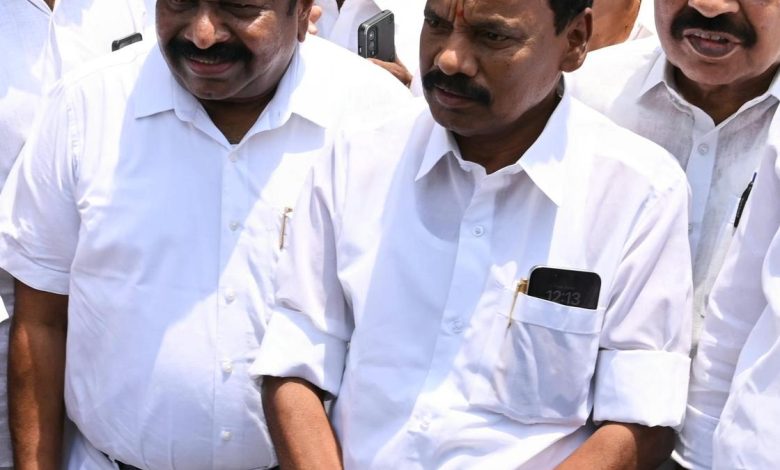
In a recent statement addressing concerns within the party ranks, Rajya Sabha Member M. Dhanapal clarified the intent behind AIADMK’s embargo on former functionaries. Contrary to widespread perceptions, he emphasized that the move is not intended to signal that these leaders will be permanently barred from returning to their previous roles.

“The embargo is only a temporary measure aimed at eliminating any scope for confusion within the party’s organizational structure,” Dhanapal stated. He further underscored that the decision to assign roles and responsibilities lies solely with the party’s general secretary, who will determine “who should be given what position and when.”
This explanation comes amid speculations within political circles suggesting that the party leadership was using the embargo as a means to sideline old functionaries indefinitely. However, Dhanapal dismissed such notions, reassuring members and supporters that the leadership continues to evaluate all appointments carefully in the interest of party unity and efficiency.
The AIADMK, a prominent regional party in Tamil Nadu, has been navigating complex internal dynamics following its coalition challenges and leadership restructuring. The embargo reportedly prevents former office bearers from immediately reclaiming their previous posts, an effort deemed necessary to streamline operations and clarify authority lines.
Political analysts believe that such measures are common in parties undergoing transition phases, as they help in maintaining order and focusing on leadership consolidation. By temporarily restricting former functionaries, AIADMK aims to avoid internal disputes and ensure that decisions are made transparently and judiciously.
Furthermore, Dhanapal highlighted that this embargo does not imply permanent exclusion. Instead, it encourages members to concentrate on current assignments and responsibilities, thereby promoting a cohesive working environment.
As the party moves forward, the general secretary’s discretion remains central to these decisions, aligning with organizational objectives and electoral strategies. The leadership’s focus appears to be on balancing experience with fresh energy, ensuring a robust framework capable of meeting upcoming political challenges.
In conclusion, the embargo on former functionaries should be viewed as a strategic, temporary guideline designed to prevent confusion rather than a definitive statement on their future roles within AIADMK. Stakeholders and observers are advised to regard this development in the context of the party’s broader efforts to strengthen its organizational coherence.