
Tirupati Temple’s First Aarti Proposal Sparks Debate, TTD Opposes VIP Participation
A proposal to allow MPs and MLAs to attend the first aarti at the Tirumala Sri Venkateswara Temple has triggered controversy, with the Tirumala Tirupati Devasthanams (TTD) saying the move would conflict with long-standing religious traditions.
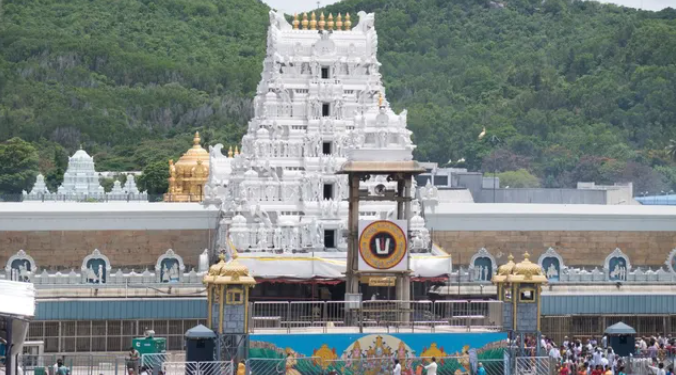

A fresh controversy has emerged over a proposal to allow Members of Parliament (MPs) and Members of Legislative Assemblies (MLAs) to participate in the first aarti (Suprabhata Seva) at the Sri Venkateswara Temple in Tirumala. The proposal has drawn criticism from the Tirumala Tirupati Devasthanams (TTD), which manages the temple, with officials arguing that the tradition has been followed for centuries and should not be altered.
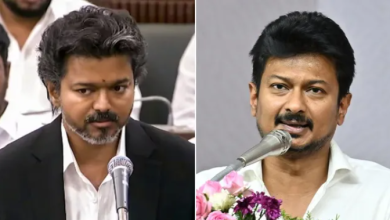
The debate began after Andhra Pradesh Minister D. Shivakumar reportedly suggested that elected representatives should be permitted to attend the temple’s first aarti. According to the minister, public representatives play an important role in serving society and should have an opportunity to participate in the special ritual dedicated to Lord Venkateswara.
However, TTD Board member Bhanu Prakash Reddy strongly opposed the proposal. He stated that participation in the first aarti has historically been a privilege associated with the Mysore Royal Family, and changing the practice based on political considerations would undermine the temple’s long-standing customs. He also urged that the issue should not be politicized.
The temple administration noted that the Mysore Royal Family has a historical association with the Tirupati temple due to its significant contributions to the preservation and development of the shrine. Under this tradition, representatives of the royal family have been given the privilege of attending the first aarti, and the practice has continued for generations.
According to reports, the minister has suggested expanding representation so that elected public representatives may also be included in the special ritual. However, TTD maintains that any modification to centuries-old religious practices must be approached with caution and only after proper consultation with religious authorities.
The proposal has generated widespread discussion among devotees, religious scholars, and political leaders. While some believe greater public representation could make temple traditions more inclusive, others argue that preserving long-established customs is essential to maintaining the sanctity of one of Hinduism’s most revered pilgrimage sites.
TTD has clarified that no final decision has been taken, and any changes concerning temple rituals will be made only in accordance with established religious traditions, legal provisions, and administrative procedures.