

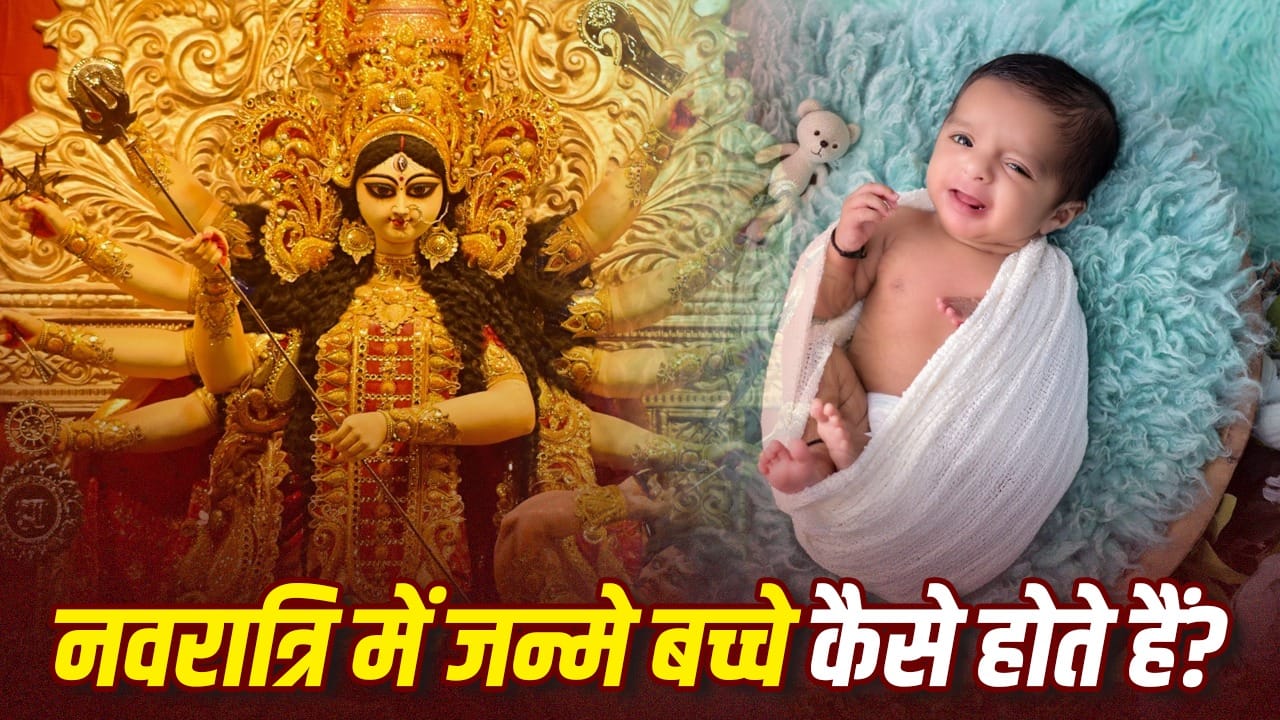
Shardiya Navratri is considered one of the most sacred and auspicious periods in Hindu tradition. It spans nine days during which devotees worship the nine forms of Goddess Durga. In 2026, the festival begins on Sunday, October 11, with the ritual of Ghatasthapana and concludes on Monday, October 19, marking Maha Navami. The following day, Tuesday, October 20, celebrates Vijayadashami or Dussehra.
Religious beliefs hold that performing prayers, chanting mantras, and worshipping the Goddess during Navratri brings positive energy into homes. Families regard the birth of a child during these holy days as especially fortunate and blessed.
Personality Traits of Navratri-Born Children
Astrologically and spiritually, the Navratri period symbolizes power, courage, devotion, and positivity. It is believed that children born at this time possess enthusiastic and confident personalities. They tend to be serious about their ambitions and motivated to achieve their goals.
These children are also thought to be courageous and self-assured, reflecting the divine energy of Maa Durga, who represents bravery and strength. Such traits make them naturally bold and resilient in facing challenges.
Distinctive Qualities and Divine Blessings
Compassion and eagerness to help others are additional qualities attributed to Navratri-born children. The festival emphasizes service, charity, and kindness, encouraging sensitivity toward those in need. This influence often manifests as empathy and a helpful attitude in these children.
Religious faith holds that children born during Navratri receive special blessings from Maa Durga herself. Each day of the festival honors a different form of the Goddess, and these divine manifestations are associated with unique virtues.
The specific Navratri day on which a child is born also carries significance. For example, children born on the day dedicated to Maa Shailputri are believed to inherit steadfastness and a bond with nature. Those born on Maa Brahmacharini’s day may exhibit discipline and restraint, while the day of Maa Chandraghanta is linked with bravery. Similarly, Maa Skandamata represents motherhood and nurturing, Maa Katyayani symbolizes power, Maa Kalaratri grants freedom from fear, Maa Mahagauri embodies purity, and Maa Siddhidatri relates to wisdom and accomplishment.
These auspicious beliefs highlight the spiritual importance of Navratri-born children and the cultural reverence surrounding their births during this holy festival.

