
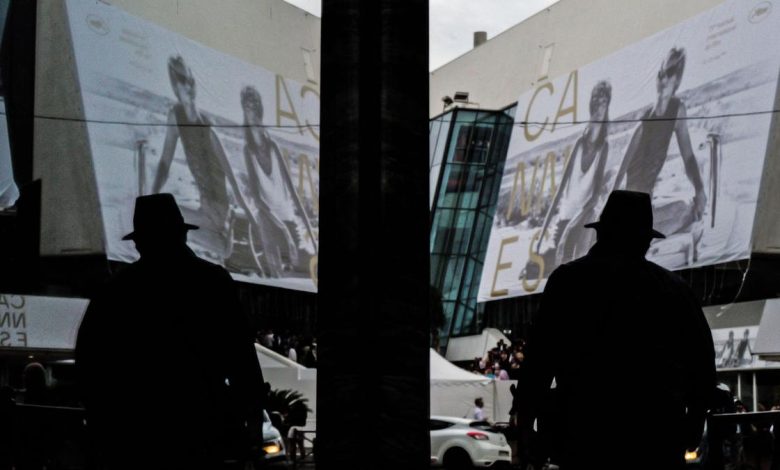
The Cannes Film Festival, one of the world’s most prestigious cinematic events, has long been a stage not only for filmmakers but also for political expression. Over the years, the festival has perfected a delicate balance: embracing political discourse while carefully managing disruptions that could threaten the event’s integrity.

Since its inception, Cannes has been a platform where global issues often find their way into conversations, protests, and panel discussions. Filmmakers and attendees use its international spotlight to raise awareness about various causes — from human rights to environmental concerns. However, this openness also invites challenges, especially when agents provocateurs attempt to use the festival as a stage for unrest or to derail proceedings.
Festival organizers have developed strategic approaches to navigate this complex environment. Security measures have been enhanced, not just to ensure safety but to allow peaceful advocacy within clear boundaries. This ensures that genuine voices are heard without allowing disruptive elements to hijack the event.
The festival’s leadership has also fostered dialogue with activists and filmmakers alike, recognizing that politics and art are often intertwined. This inclusive attitude promotes constructive conversations and showcases films that challenge societal norms and provoke thought without descending into chaos.
Moreover, the Cannes Film Festival continues to adapt its policies and practices to the evolving political climate globally, understanding that flexibility is key to maintaining its reputation while honoring freedom of expression.
Ultimately, by embracing politics with measured control, Cannes sets an example in cultural diplomacy — proving that even in high-profile, glamorous settings, complex social issues can be addressed responsibly without allowing disruption to overshadow the art.