

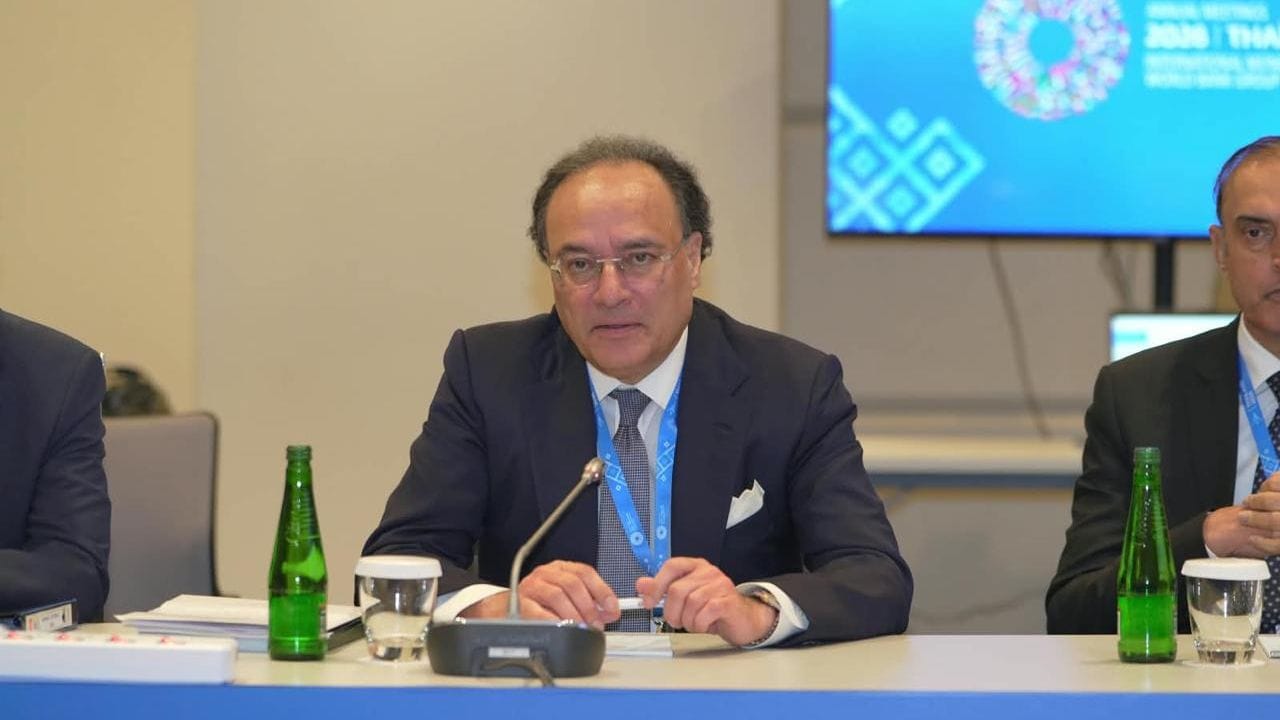
A new alliance of 33 high-debt countries has been officially established, with Pakistan appointed as its chair. The coalition, supported by the United Nations Conference on Trade and Development (UNCTAD), aims to unite developing nations in addressing debt-related challenges collectively. Pakistan’s Finance Minister, Aurangzeb, is set to lead this group, marking a significant development in international debt management.
Formation and Leadership of the Alliance
The process of creating a formal platform for highly indebted countries began in April 2026, starting with Egypt as the interim chair. However, after consensus among member states, Pakistan was chosen to take over the leadership role. This change reflects the agreement of all 34 participating countries to support Pakistan’s stewardship of the forum.
According to UNCTAD, the alliance currently includes 34 countries. Besides Pakistan, member states comprise Egypt, South Africa, Fiji, Syria, Sudan, Zambia, Zimbabwe, Saint Lucia, Sierra Leone, Namibia, and Mauritania. Additional members include the Maldives, Madagascar, Lebanon, Lesotho, Kenya, Jordan, Honduras, Guinea, Ghana, Gabon, Eswatini, Ecuador, Congo, Barbados, and Bhutan.
Debt Burden and Pakistan’s Role
Pakistan carries a significant public debt burden, reaching approximately 81.4 trillion Pakistani rupees (around 293 billion US dollars) as of April 2026. This figure includes both domestic and foreign government debts. The country’s new leadership role comes at a time when many developing nations struggle with rising debt and interest payments.
During a recent meeting in Thailand, the alliance members agreed to appoint Pakistan as the chair for one year. Highlighting the challenges during the meeting, Pakistan’s Finance Minister emphasized the need for stronger debt management, exchanging reform strategies, and exploring innovative financing for development projects. The aim is to find solutions that move these countries towards a debt-free future.
UNCTAD’s data reveals that developing countries collectively paid nearly 1 trillion dollars in interest in 2025 alone, tripling the amount from 2010. The average interest rate on public debt for developing nations stands at 5.2 percent, more than double the 2.2 percent average paid by developed countries. This stark disparity exacerbates the debt burden for poorer nations.
Alarmingly, around 37 million people reside in countries where interest payments on public debt exceed government spending on critical sectors like health and education. This situation places additional stress on social development and economic stability throughout these countries.
The alliance, established with UNCTAD’s support, represents a coordinated effort by heavily indebted countries to strengthen their collective voice on global debt issues. By sharing knowledge and seeking collaborative solutions, member nations hope to alleviate the financial pressures they face while promoting sustainable development.
Pakistan’s elevation to chair this forum will place it at the center of international discussions addressing debt crises among developing countries. The coming year will test the alliance’s ability to foster cooperation and implement effective strategies to tackle the growing debt concerns impacting millions worldwide.

