

Strict scrutiny on OCI status of foreigners voting in Tamil Nadu assembly elections
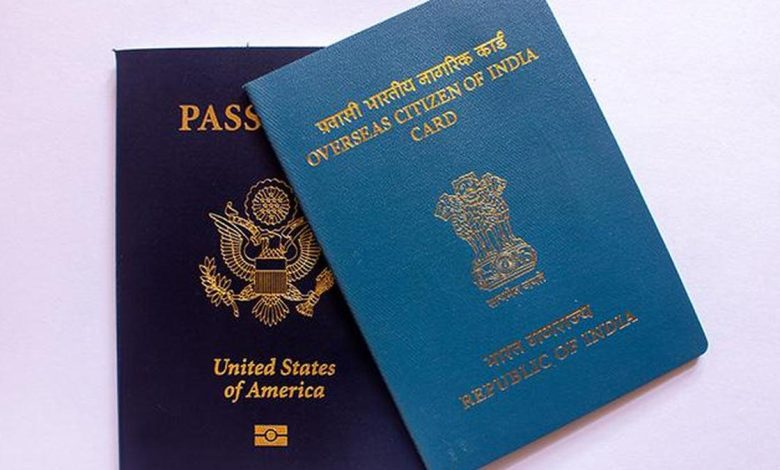
The number of foreigners of Indian origin found to have voted fraudulently has risen to 30, according to recent sources. These individuals had declared in their Overseas Citizen of India (OCI) card applications that they had surrendered their voter identity cards or removed their names from the electoral rolls, but investigations reveal this was a false declaration.

Election authorities and legal experts are now focusing on these cases as serious violations of electoral and immigration laws. The OCI card, while granting various benefits such as the right to live, work, and study in India, explicitly prohibits the holder from voting in Indian elections. Therefore, voting in assembly or other elections by OCI cardholders constitutes a punishable offense.
Sources familiar with the ongoing inquiry say the law will take its due course, with action initiated against the individuals involved. This includes the possibility of legal proceedings that could lead to penalties or cancellation of OCI status. The declaration made by the applicants is considered a material fact, and knowingly submitting false information amounts to perjury under Indian laws.
Officials emphasized that the scrutiny became more stringent following reports of irregularities in the Tamil Nadu Assembly elections, where the involvement of some OCI cardholders in the voting process raised eyebrows. The Election Commission has expressed its commitment to preserve the integrity of the election process and has collaborated with multiple agencies to verify the claims and data surrounding voter rolls and OCI applications.
This development raises concerns over loopholes in the system allowing people with foreign citizenship of Indian origin to participate improperly in the electoral process. Authorities are now reviewing the mechanisms for verifying voter list status and cross-checking those applying for or holding OCI cards. The government is also considering updating the rules and procedures to prevent recurrence of such cases.
Legal experts point out that while the OCI card offers many privileges, it is not equivalent to Indian citizenship and explicitly restricts certain political rights, including voting. False declarations in this context not only undermine the sanctity of democratic processes but also raise questions on immigration compliance and enforcement.
The escalation to 30 cases signifies increased vigilance by election and law enforcement authorities. It signals a warning to others that fraudulent participation in elections by OCI cardholders will be detected and prosecuted. Moving forward, enhanced data sharing between electoral bodies and immigration departments may help streamline verification and deterrence.