

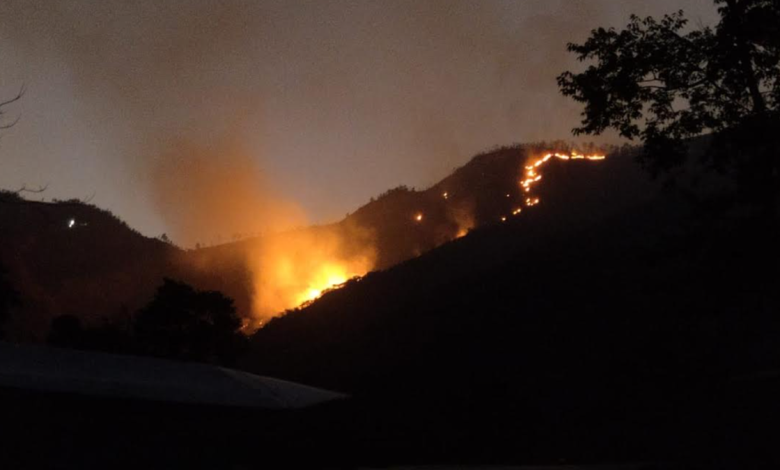
Forest Fires in India Surge by Over 80%, Experts Advocate for Micro-Climate Creation

India has witnessed a staggering rise in forest fires, with incidents increasing by over 80% in recent years, causing severe ecological and economic damage. Experts warn that the conventional firefighting methods are no longer sufficient to curb this growing menace. The latest research and environmental assessments suggest that fostering localized micro-climates might be the key to effectively managing and eventually reducing the frequency and intensity of forest fires.
According to data released by the Forest Survey of India, the country recorded an unprecedented number of forest fire incidents over the past two years. These fires not only decimate vast expanses of biodiversity but also contribute significantly to carbon emissions, thereby exacerbating climate change.
Dr. Anil Kumar, an environmental scientist specializing in forest ecosystems, explains, “Forest fires are a symptom of larger problems, including rising temperatures and prolonged dry spells. Creating micro-climates—small, localized environments where humidity remains higher and temperatures are more stable—can help in reducing the chances of forest fires starting and spreading.”
Community participation is crucial in this initiative. Local populations, forest officials, and environmental groups are collaborating to plant native vegetation that retains moisture and creates shaded areas, effectively altering local micro-climates. This approach not only serves as a natural fire buffer but also promotes biodiversity and soil health.
Ramesh Singh, a farmer from Madhya Pradesh who has been actively involved in such projects, shares, “When we first started creating these green patches around our farms, we noticed a decrease in fire incidents close to our land. It also helped keep the immediate environment cooler and supported local wildlife.”
Government agencies have begun to incorporate micro-climate creation into their forest management strategies, coupling it with traditional firefighting resources. The National Disaster Management Authority (NDMA) has issued guidelines encouraging states to nurture green belts and water conservation projects that support these micro-climates.
Despite these positive steps, challenges remain. Unregulated human activity, such as illegal logging and unattended campfires, continue to ignite fires. Experts emphasize that public awareness campaigns must be intensified alongside environmental measures.
As India grapples with the dual crises of climate change and biodiversity loss, innovative solutions like micro-climate creation offer hope. Sustainable community-based approaches could redefine forest conservation and disaster management in the years to come.