

How farmers and restaurants in West Bengal are reviving rare heritage mango varieties
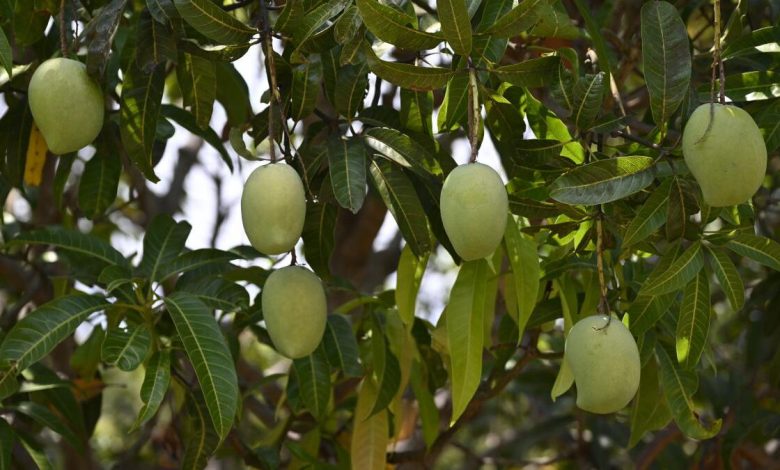
West Bengal is witnessing a remarkable revival of some of its rare and heritage mango varieties, thanks to the combined efforts of orchard owners, community initiatives, and innovative restaurants. Once flourishing in royal orchards, these unique varieties such as the delicate Kohitur and the frangipani-scented Champa mango are now finding a new lease of life amid growing concerns over uniform commercial farming wiping out these treasures.

The story of these mangoes is intertwined with Bengal’s rich cultural and agricultural history. These varieties were once cherished for their distinct aromas, textures, and flavors that set them apart from the widely cultivated commercial types. However, with the rise of industrial-scale mango production, many of these traditional cultivars fell into neglect, replaced by varieties that promised higher yields and easier marketing.
Local farmers and orchard owners have recognized the importance of preserving this biodiversity. Several community-led projects have been initiated to plant, nurture, and promote these rare mangoes. Not only do these projects aim to conserve the mangoes themselves, but they also strive to maintain the traditional agricultural practices that supported their growth.
Restaurants and culinary experts have also played a pivotal role in this revival. By incorporating these unique mango varieties into their menus, they are creating demand that encourages farmers to continue cultivating them. The fragrant Champa mango, with its subtle floral notes, has become a favorite among chefs looking to craft authentic Bengali dishes and desserts that celebrate the region’s heritage.
Experts believe that this effort goes beyond merely saving old mango varieties; it’s about sustaining an ecosystem of culture, agriculture, and cuisine that these mangoes symbolize. Conservationists point out the ecological benefits of maintaining diverse genetic material in mango cultivation, which can make crops more resilient to pests and climate changes.
As awareness grows, markets in West Bengal and beyond are beginning to appreciate these heritage fruits. Consumers are showing interest in taste, provenance, and tradition, which are becoming important factors alongside price and availability.
In closing, the collaboration between farmers, communities, and culinary enthusiasts showcases an inspiring example of how heritage can be preserved and celebrated. The resurgence of rare mango varieties in Bengal is not only a tribute to the past but a sustainable path for future generations to enjoy the region’s unique flavors and culture.