
Tamils will not allow Thai Vazhthu to be pushed back during Governor’s address: Udhayanidhi Stalin
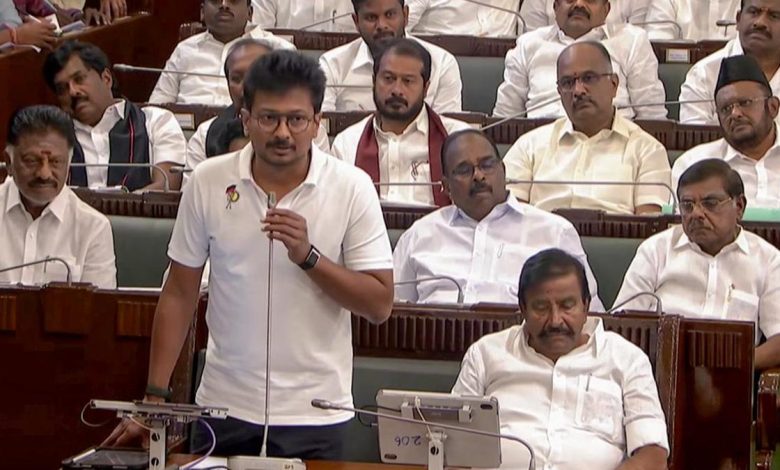
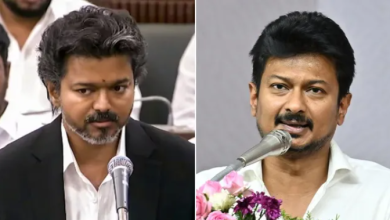
Chennai: The Leader of the Opposition in Tamil Nadu, Udhayanidhi Stalin, has expressed deep concern over the recent swearing-in ceremony of Chief Minister C. Joseph Vijay. According to him, the rendition of Tamil Thai Vaazhthu was inexplicably pushed behind the national song, Vande Mataram, and the national anthem, which shocked the people of Tamil Nadu.

Speaking to reporters, Udhayanidhi Stalin emphasized that Tamil Thai Vaazhthu holds a special place in the cultural and emotional fabric of Tamil Nadu. It has traditionally been an integral part of official state functions, particularly those involving the oath-taking ceremonies of the Chief Minister. The sidelining of this iconic Tamil prayer during such a significant event was both surprising and disheartening for many citizens.
The Leader of the Opposition further stated that the Tamil language and its cultural symbols must be respected and prominently included in all state ceremonies in Tamil Nadu. He warned that any attempts to diminish the importance of Tamil Thai Vaazhthu during official events would not be tolerated. “We will not allow Tamil Thai Vaazhthu to be pushed behind, especially in our own state functions,” he added with conviction.
Historically, Tamil Thai Vaazhthu is more than just a song; it is a prayer that personifies the motherland, Tamil Nadu, and reflects the pride and identity associated with the Tamil language and culture. Over the years, it has been performed with honor after the national anthem during state celebrations, government meetings, and award ceremonies.
This recent incident at the swearing-in ceremony of Chief Minister C. Joseph Vijay has reignited the debate about the prioritization of cultural protocols in Tamil Nadu’s political landscape. Many local leaders and citizens voiced their dissatisfaction with the sequence of songs during the event, suggesting that the cultural ethos of Tamil Nadu must always be upheld.
While national songs and the anthem naturally hold a place of respect across India, Tamil Nadu’s unique cultural contributions, such as Tamil Thai Vaazhthu, continue to be a significant marker of regional identity. Various cultural and political organizations have called for a reaffirmation of traditional protocols to ensure that Tamil pride remains visibly celebrated in official proceedings.
As the state progresses, many observers believe that balancing national unity with regional cultural preservation is vital. The opposition leader’s remarks reflect a wider sentiment among the Tamil populace eager to see their heritage honored alongside national symbols. Future state functions might turn out to be more carefully choreographed to maintain this balance.
The controversy around the Tamil Thai Vaazhthu at the swearing-in ceremony marks a crucial moment in Tamil Nadu’s political history. It underscores the ongoing conversation about respecting regional cultures within the framework of national unity, a subject that continues to resonate deeply with the people of Tamil Nadu and beyond.