
Kerala Assembly Elections 2026: Pathanamthitta may remain out of cabinet despite four MLAs
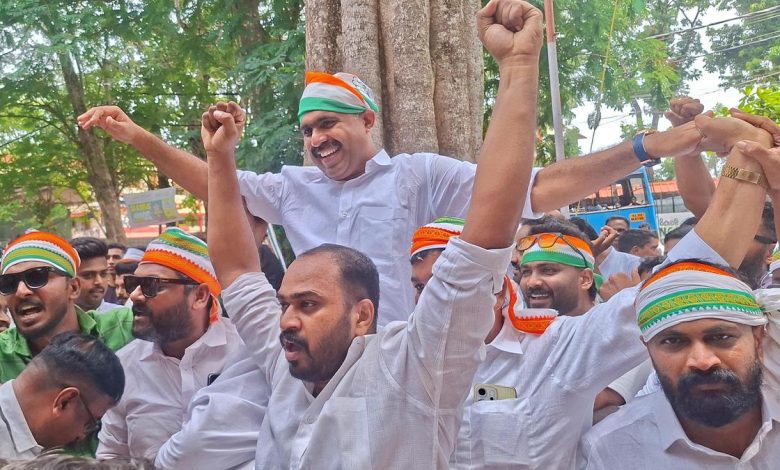
The upcoming Kerala Assembly elections in 2026 have brought considerable attention to the Pathanamthitta district, especially concerning its representation in the state Cabinet. Despite the district securing four MLAs all from the United Democratic Front (UDF), there is growing speculation that Pathanamthitta may be overlooked during Cabinet formation. Experts believe that the fact that all four UDF MLAs are first-time legislators has significantly reduced the district’s influence and bargaining power.

Pathanamthitta, known for its political significance and active electorate, has traditionally had a strong voice in Kerala’s political landscape. However, the newcomers’ lack of legislative experience is seen by political analysts as a crucial disadvantage. Veteran politicians and party leaders within the UDF are reportedly uncertain whether these first-term MLAs can effectively assert the district’s demands during negotiations for ministerial berths.
Party insiders suggest that Cabinet formation often depends on a combination of seniority, political clout, and previous legislative accomplishments. With fresh faces representing Pathanamthitta, other districts with more seasoned legislators might gain priority. This dynamic raises concerns among residents and local leaders who expect equitable representation at the state level.
Political commentators also highlight the importance of negotiation skills and established relationships within the party framework that typically benefit experienced legislators. Newcomers, while bringing fresh perspectives, may lack the leverage needed to secure ministerial portfolios, crucial for directing development projects and funding to their constituencies.
The urban and rural divide in political strategy further complicates Pathanamthitta’s stance. While the district has witnessed impressive voter engagement and enthusiasm for change, the transition from grassroots popularity to state-level influence is challenging. The ability of these first-time MLAs to navigate intra-party dynamics and forge effective alliances will be under close watch in the coming months.
Moreover, political rivals and opposition parties have started to point out this perceived weakness, leveraging it in their campaign narratives. They argue that districts like Pathanamthitta deserve stronger representation, especially given the changing socio-economic fabric and increased aspirations of the local population.
In response, the UDF leadership has maintained a cautiously optimistic outlook. Leaders emphasize that the fresh mandate mandates trust in new legislators and the importance of giving them adequate support and guidance. They also underscore efforts to mentor these MLAs in parliamentary procedures and political strategy to enhance their bargaining power moving forward.
As Cabinet selections approach, attention will be focused on whether Pathanamthitta manages to secure ministerial positions despite the hurdles. The outcome will not only impact local governance and development initiatives but could also set a precedent for how first-time legislators influence state politics in Kerala.
In conclusion, while the presence of four UDF first-time MLAs is a cause for local celebration, their lack of experience is perceived as a critical factor that may marginalize Pathanamthitta during the Cabinet formation. The coming months will reveal how these legislators and their party navigate this complex political landscape.