

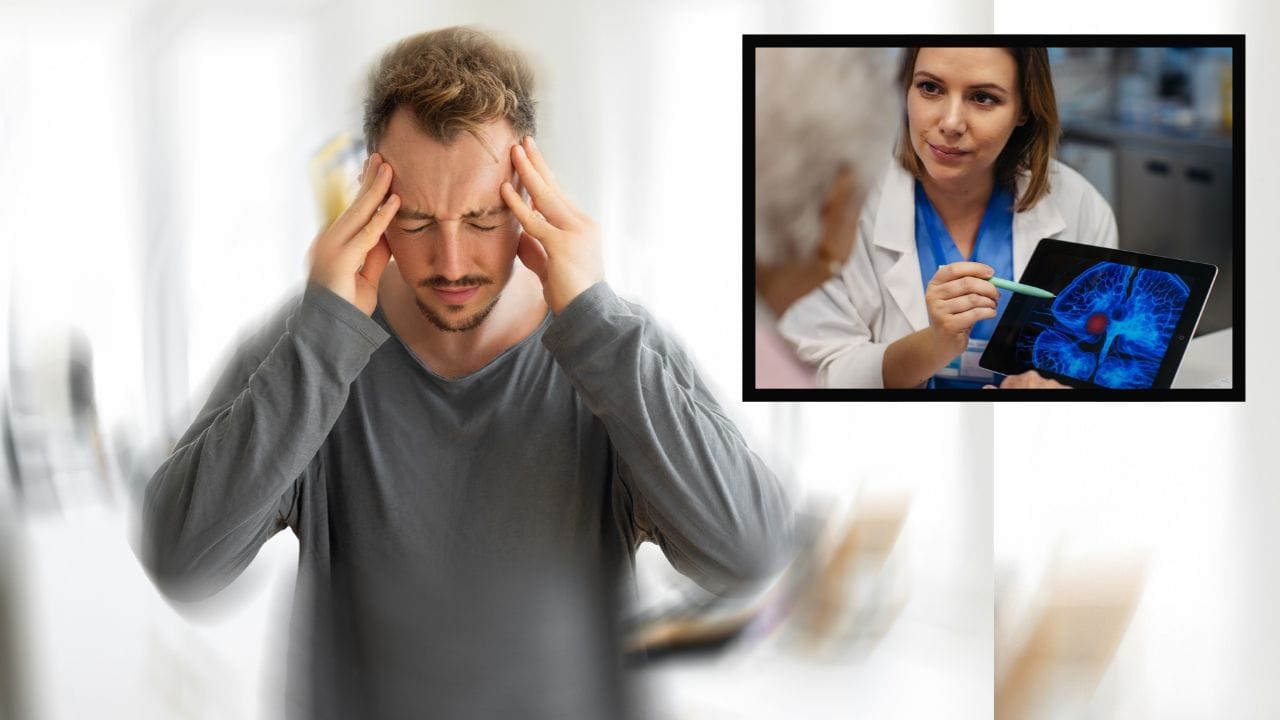
Stroke is a critical medical emergency where even a slight delay in treatment can endanger a patient’s life. It occurs when blood vessels supplying blood and oxygen to the brain get blocked or burst, leading to rapid brain cell death due to oxygen deprivation. Dr. Vipul Gupta, Director of Neurointerventional Surgery at Sir H.N. Reliance Foundation Hospital, Mumbai, warns that without timely care, a stroke can cause permanent paralysis, difficulty in speaking or understanding, trouble walking, or even death.
Recognizing Stroke Symptoms Quickly
World Stroke Day is observed annually on October 29 to raise awareness about stroke symptoms, the need for urgent treatment, and prevention measures. One major challenge is that patients or their relatives often mistake early stroke symptoms for fatigue, dizziness, or mild weakness and ignore them. Understanding these signs can save lives.
The B.E. F.A.S.T. method helps identify stroke signs quickly: B stands for Balance problems such as sudden loss of balance or trouble walking; E is Eyes, indicating sudden blurred or double vision; F means Face, where one side droops or smiles unevenly; A is Arms, showing sudden weakness or numbness in a limb; S relates to Speech difficulties like slurred or unclear words; and T means Time – seek emergency help immediately.
Sometimes symptoms may subside within minutes, but this doesn’t mean the danger is over. Such events, known as Transient Ischemic Attacks (TIA), signal a risk of a full stroke later and require immediate medical evaluation.
Urgent Steps to Take When Stroke Symptoms Occur
If stroke signs appear, call an ambulance or emergency medical help without delay and ensure the patient reaches a hospital equipped to treat strokes. Note the exact time when symptoms began or when the patient was last normal, as doctors use this information to decide treatment options.
Do not wait for spontaneous recovery. Avoid giving food, water, or any medication, as swallowing may be impaired during a stroke. Aspirin or similar drugs should only be administered under medical advice, since strokes can be caused by blood clots or brain hemorrhages, which require different treatments.
Medical advances have improved stroke treatment significantly. Patients identified early can often limit brain damage and improve recovery chances through various therapies.
Clot-dissolving drugs such as alteplase and tenecteplase are used for ischemic strokes caused by blood clots, preferably within four and a half hours of symptom onset. Brain imaging and assessment guide this treatment. Mechanical thrombectomy is another option, where a catheter removes a clot from a large brain artery to restore blood flow.
Imaging tests like CT angiography, CT perfusion, and MRI assess blood vessel blockages and brain tissue damage. This helps doctors select the best treatment for each patient. When a stroke causes brain bleeding instead of clots, managing blood pressure and reversing blood-thinning drugs promptly are crucial. Neurosurgical or endovascular treatments may be needed.
Preventing Stroke Through Healthy Lifestyle
To lower stroke risks, it’s important to control high blood pressure, diabetes, and cholesterol. Avoid smoking and tobacco products, engage in regular physical activity, eat a balanced diet, and seek timely care for heart-related conditions. Routine health check-ups help identify risk factors early.
World Stroke Day serves as a reminder that recognizing stroke symptoms quickly and seeking immediate care can save lives and prevent disability. Staying informed about stroke risks and prevention can help reduce its impact on individuals and families.