

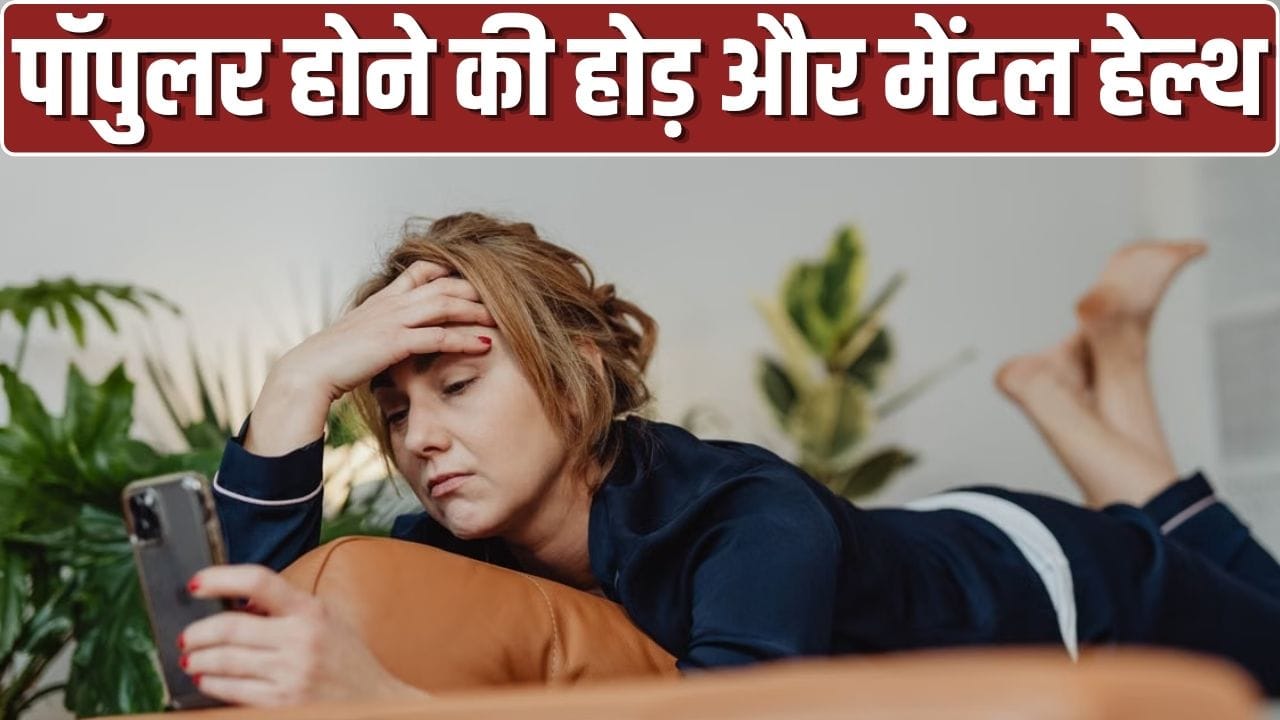
World Mental Health Day is observed on October 10 to raise awareness about mental health issues and encourage support for those who struggle with mental health challenges. In today’s fast-paced lifestyle, not only physical health but mental well-being is significantly affected. Many people, including youth, adults, and even children, spend hours on social media, either watching videos or obsessively checking likes and comments on their posts. The desire to become popular on these platforms is contributing to increased mental stress.
The Impact of Social Media on Mental Health
Many individuals display an intense obsession with receiving likes, views, and comments on social media. This trend is especially prominent among teenagers and young adults. According to experts, this behavior can negatively affect mental health. Richa Agarwal, Senior Consultant Psychologist at Yatharth Hospital in Model Town, New Delhi, explains that the craving for more likes and followers is rising among young people. When they receive fewer likes or comments, they start comparing themselves to others, often feeling inferior.
This comparison can reduce their self-confidence and deeply impact their mental health. Continuously waiting for responses after posting videos or photos can lead to stress and anxiety. It may even disturb sleep patterns, leading to additional health issues.
Negative Comments and Cyberbullying
Checking likes and comments frequently is common, but handling negative comments and trolling poses a greater challenge. Many individuals suffer mentally due to hurtful remarks online. Cyberbullying, including fake profiles, spreading false information, stalking, and unwanted direct messages, also contributes to emotional distress. Even prominent celebrities have fallen victim to such harassment, which can cause long-lasting emotional damage.
The habit of constantly engaging with social media content can become addictive. People often spend several hours scrolling through reels and posts to increase their reach and engagement. This addiction may cause irritability when separated from their devices. Experts emphasize that real life should take precedence over social media activities.
Managing Social Media Stress
Richa Agarwal advises young people to understand that their worth is not determined by likes or followers. Taking breaks from social media and spending quality time with friends and family can help. Openly sharing feelings is important for mental well-being. Recognizing one’s own strengths and capabilities instead of comparing oneself to others is crucial for maintaining a healthy mindset.
As World Mental Health Day highlights, awareness and proper management of social media’s effects are vital to protecting mental health in our increasingly connected world.

