
Why Women Are Leaving Engineering Careers: Understanding the Leaky Pipeline
Despite more women earning engineering degrees, many leave the profession due to workplace challenges, limited mentorship, and work-life balance issues.
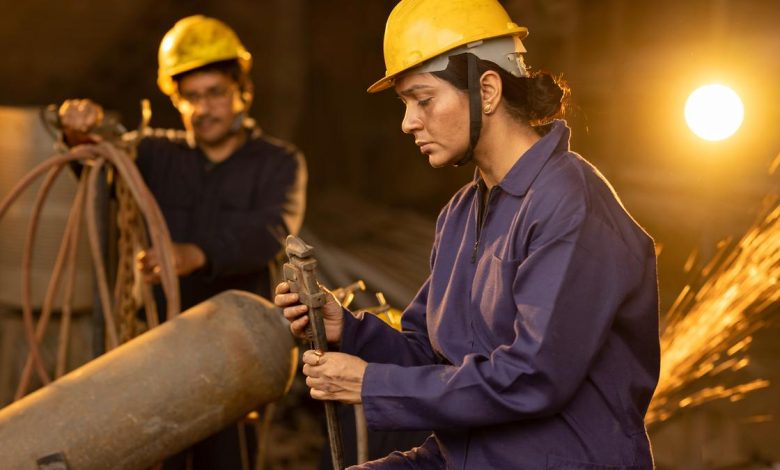
Discover why many women are leaving engineering careers despite growing enrollment. Explore the key challenges, workplace barriers, and possible solutions.

In the world of engineering, a significant issue known as the “leaky pipeline” continues to impact women’s participation. Between obtaining their degree and establishing a long-term career in the field, many women exit the profession and do not return. This phenomenon raises important questions about the professional environment and support systems for women in engineering.
Engineering has historically been a male-dominated field, but recent decades have seen a rise in the number of women pursuing engineering degrees. Despite this encouraging trend, the transition from education to employment and onward to career advancement reveals notable attrition among female engineers. Experts attribute this decline to multiple factors including workplace culture, lack of mentorship, work-life balance challenges, and gender bias.
Multiple studies show that while women graduate with engineering degrees in increasing numbers, retention rates in engineering jobs are disproportionately low when compared to their male counterparts. This loss of talent not only affects individual careers but also undermines diversity and innovation within the industry. Women often report feeling isolated or undervalued at work, which contributes to job dissatisfaction and eventual departure from the field.
Companies and institutions are beginning to recognize that retaining women engineers demands proactive approaches. These include establishing mentoring programs, fostering inclusive workplace cultures, and creating policies that support work-life balance. Initiatives aimed at promoting female leadership in engineering also show promise in encouraging women to stay and progress within their careers.
Ultimately, addressing the “leaky pipeline” requires a comprehensive understanding of the barriers women face and a collective commitment from educational organizations, employers, and policymakers. Only through sustained effort can the engineering profession become truly equitable and inclusive, enabling women to thrive from their initial degree stage through to their long-term career success.