

White House asks Congress for $87.6 billion to deal with Iran war, aid US farmers, Ebola crisis
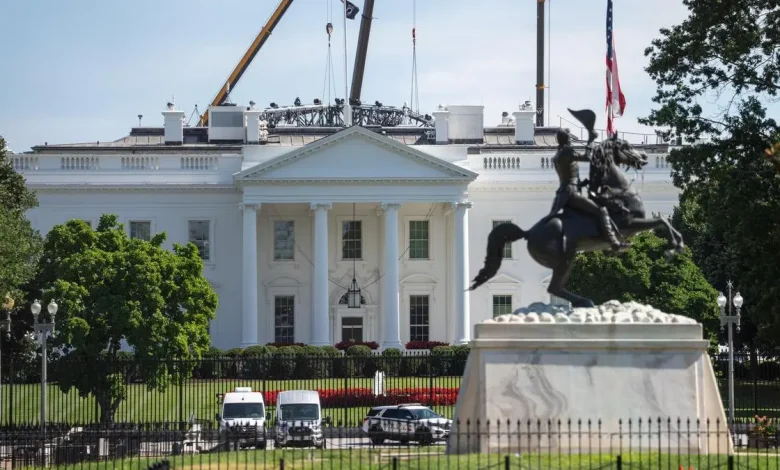
Washington D.C. – The White House has formally requested Congress to allocate $87.6 billion to support a variety of urgent national and international priorities, centered primarily around the recently launched Operation Epic Fury. This comprehensive funding proposal underscores the administration’s multifaceted approach to addressing critical global challenges while also attending to pressing domestic needs.


Operation Epic Fury, which is a major military initiative targeting key strategic objectives in Iran, constitutes the bulk of the requested funding. Officials say this reflects the administration’s commitment to strengthening national security and countering threats in the volatile Middle East region.
Supporting Farmers and Fighting Epidemics
Beyond the military operation, the request includes considerable funds dedicated to aiding American farmers who have been grappling with the impacts of changing market conditions and adverse weather patterns. This portion of the funding aims to stabilize the agricultural sector by providing financial relief and resources to increase productivity and sustainability.
Additionally, a significant segment of the requested budget addresses the ongoing Ebola crisis in Africa. The White House emphasizes the necessity of international cooperation to contain the outbreak and provide humanitarian assistance, reducing the risk of its spread and humanitarian fallout.
Domestic Priorities and Strategic Balance
The proposal also contemplates various other domestic programs that span healthcare, infrastructure, and emergency preparedness. While the bulk of the request concentrates on Operation Epic Fury and aid to international health efforts, it reflects the administration’s balanced approach to managing both foreign policy and home front resources.
Congressional leaders are set to review the detailed budget proposal in the coming weeks, where debates will likely focus on the allocation priorities and the broader implications for U.S. fiscal policy. Lawmakers across parties acknowledge the complexity of the current global environment and the need for decisive, well-funded responses.
As the administration awaits Congressional approval, it continues to emphasize transparency and accountability in disbursing funds, ensuring that each dollar supports measurable outcomes aligned with U.S. interests and humanitarian values.
The unfolding situation will be closely monitored by both the public and international observers, reflecting the importance of these funds not only for U.S. policy but for global stability.