

New Zealand’s Basin Reserve in Wellington hosted the opening Test between India and New Zealand as India opened their bowlers with purpose. After winning the toss and choosing to field, Jasprit Bumrah made an immediate breakthrough, clean-bowling New Zealand captain Tom Latham for a duck in the first over. The visitors pressed home the pressure as the day began with a breakthrough.
Shortly after, Anshul Kamboj, back in the attack, maintained the tempo by removing Devon Conway for 4, with wicketkeeper Rishabh Pant taking the catch. That dismissal marked a second major breakthrough for India and kept New Zealand under sustained pressure as the innings progressed. The early momentum suggested India could push further moments after the break.
India’s Early Bowling Breakthroughs
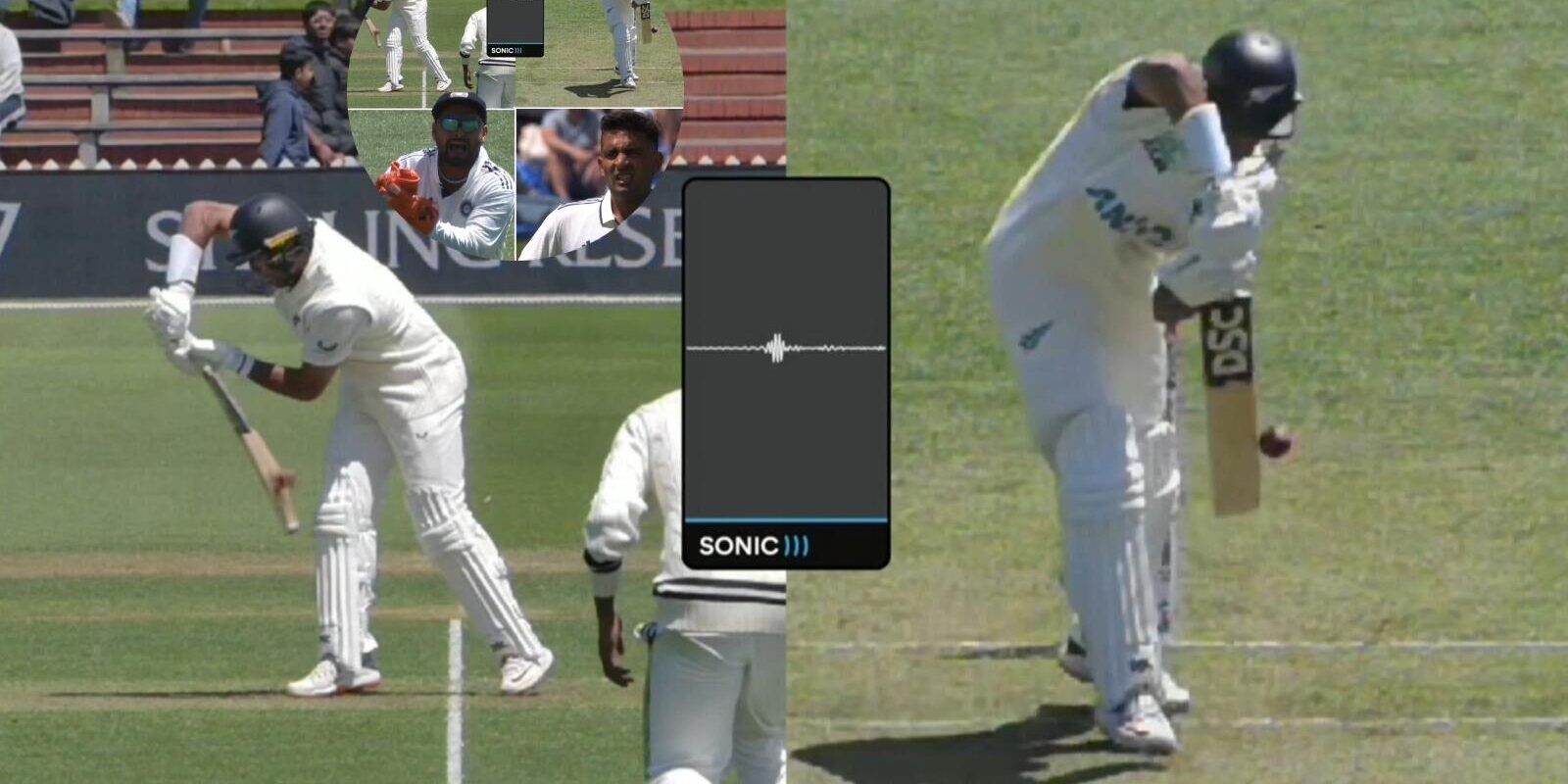
Moments later, a chance for a third wicket appeared when Rachin Ravindra faced a delivery outside off from Kamboj in the 11th over. The edge seemed to come off the outer edge of Ravindra’s bat and flew to Pant behind the stumps. India’s players appealed loudly, and Pant was heard indicating a possible sound, but the on-field decision stood and no review was taken.
Even more, ultra-edge replays clearly showed Rachin Ravindra’s bat had touched the ball, suggesting a possible dismissal that India could have challenged with a review. Had they opted for a referral, Ravindra could have been dismissed, potentially altering the morning’s momentum.
Missed DRs Opportunity and Ravindra’s Stand
Rachin Ravindra did offer a brief resistance, scoring 15 off 50 balls with two boundaries before his dismissal to Akash Deep. The ball carried to Pant behind the stumps for a clean catch, and India registered their third major breakthrough as New Zealand looked to rebuild after the early blow.
India’s fast bowling unit had begun the day with tempo and precision, delivering two early wickets that put New Zealand on the back foot. Still, the missed DRs moment referenced earlier lingered as a talking point, illustrating how a single decision can influence momentum in a Test match and the importance of swift reviews.
New Zealand, facing an uphill task, watched the early innings slip away as India’s bowlers maintained discipline and line. The day’s exchanges underscored a contest between pace and control, with Bumrah’s early strike and Kamboj’s sustained pressure creating a precarious position for the home side. The outcome remained unsettled as both sides looked to seize the initiative.
With Ravindra out and New Zealand still stabilizing, India’s pace attack will look to press the advantage on Day 1, while New Zealand will aim to rebuild and erase the early damage. The rest of the match will determine whether India can capitalize on the opening breakthroughs or whether the hosts fight back in this opening Test.