

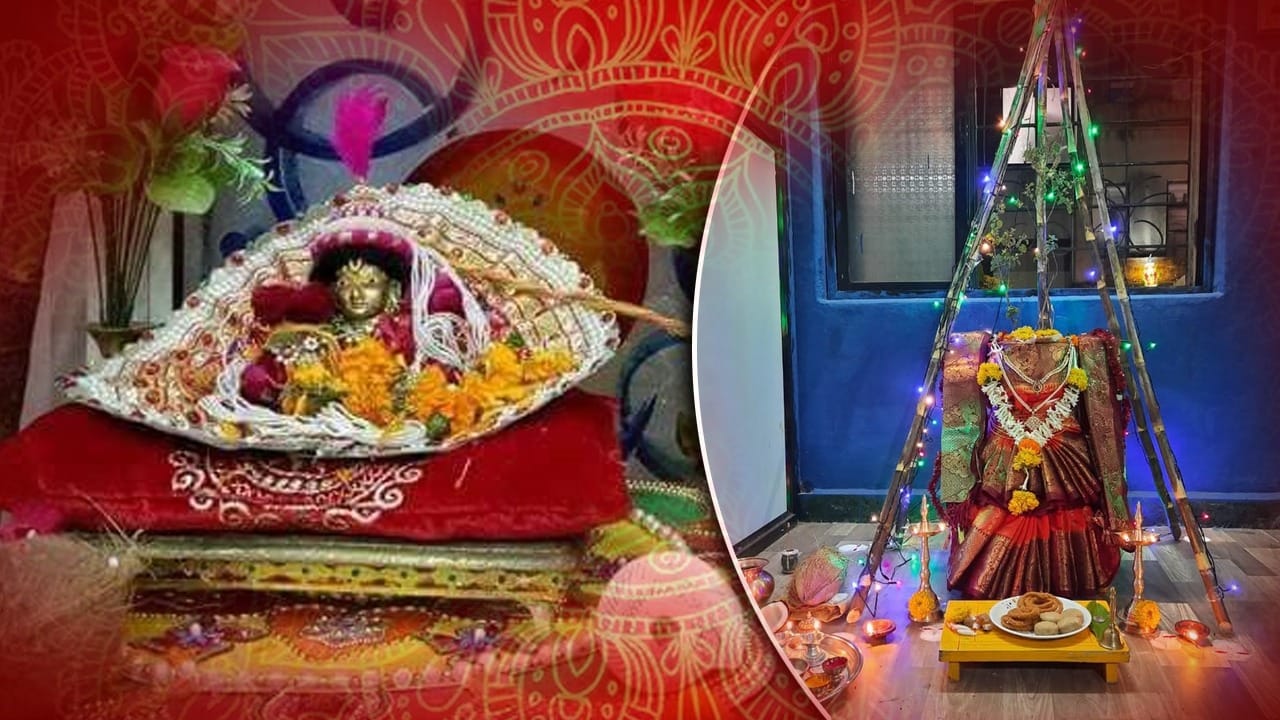
Tulsi Vivah is a significant Hindu festival that marks the marriage of the sacred Tulsi plant’s leaves to the form of Lord Vishnu (Shaligram) and the goddess Tulsi. In 2026, devotees will observe the ceremony on November 21, a Saturday, with homes and temples festive enough to honor the sacred union. The ritual is believed to bring happiness, prosperity and divine blessings.
Traditionally, families adorn the Tulsi plant at the shrine, perform the wedding rites with care, and seek the blessings of Lord Vishnu and Mata Lakshmi for harmony in domestic life. The occasion is also observed in temples, where priests guide devotees through the customs, including cleanliness, offerings, recitation of prayers, and the exchange of ceremonial vows.
Tulsi Vivah 2026: Timings
According to the festival schedule for 2026, the twelfth lunar day begins on November 21 at 06:31 in the morning and ends on November 22 at 04:56 in the morning. The auspicious moment for performing the worship falls between 5:25 pm and 7:49 pm. Earlier, Brahma Muhurta from 4:40 to 5:30 am and Abhijit Muhurta from 11:42 am to 12:28 pm are noted, followed by Godhuli Muhurta in the early evening.
People sometimes wonder if a dried Tulsi plant can fulfill the ceremony. Religious beliefs hold that worship with a dead or dried plant is inauspicious, so families explore symbolically meaningful substitutes when Tulsi is unavailable. Experts suggest turning to a clean platter bearing fresh leaves from the plant, or even a photograph of Mama Tulsi to represent the deity during the rites.
Practical steps for symbolic rites
Aside from imagery, many devotees perform a symbolic wedding by arranging a clean red or yellow cloth on a temple or prayer space, placing Tulsi leaves or a picture facing a Shaligram or Vishnu image. The couple then offers fruits, sweets, and rice or khichdi as part of the ritual.
Practices also include placing Mother Tulsi’s leaves or image on a clean red or yellow cloth, then situating a statue or image of Shaligram, Laddoo Gopal, Krishna or Vishnu in front. Worshippers take a vow, perform a cleansing bath, light a ghee lamp, and begin the formal rites with water, grains and flowers.
Wedding rituals continue with uniting the Tulsi plant or image with Vishnu through a knot or kalava, and offering fruits, sweets and a ceremonial meal such as khir- puri. Finally, an arti is performed with incense, and devotees circle the altar to distribute prasad, concluding the simulated marriage for communal harmony.
In the end, families are reminded that these practices are based on beliefs and common knowledge about Tulsi Vivah. The article notes that such symbolic rites are performed when Tulsi plant is unavailable or dried, and beliefs may vary by region. Readers are advised to consult local temple authorities for guidance; TV9 Bharatvarsh does not verify these claims.