

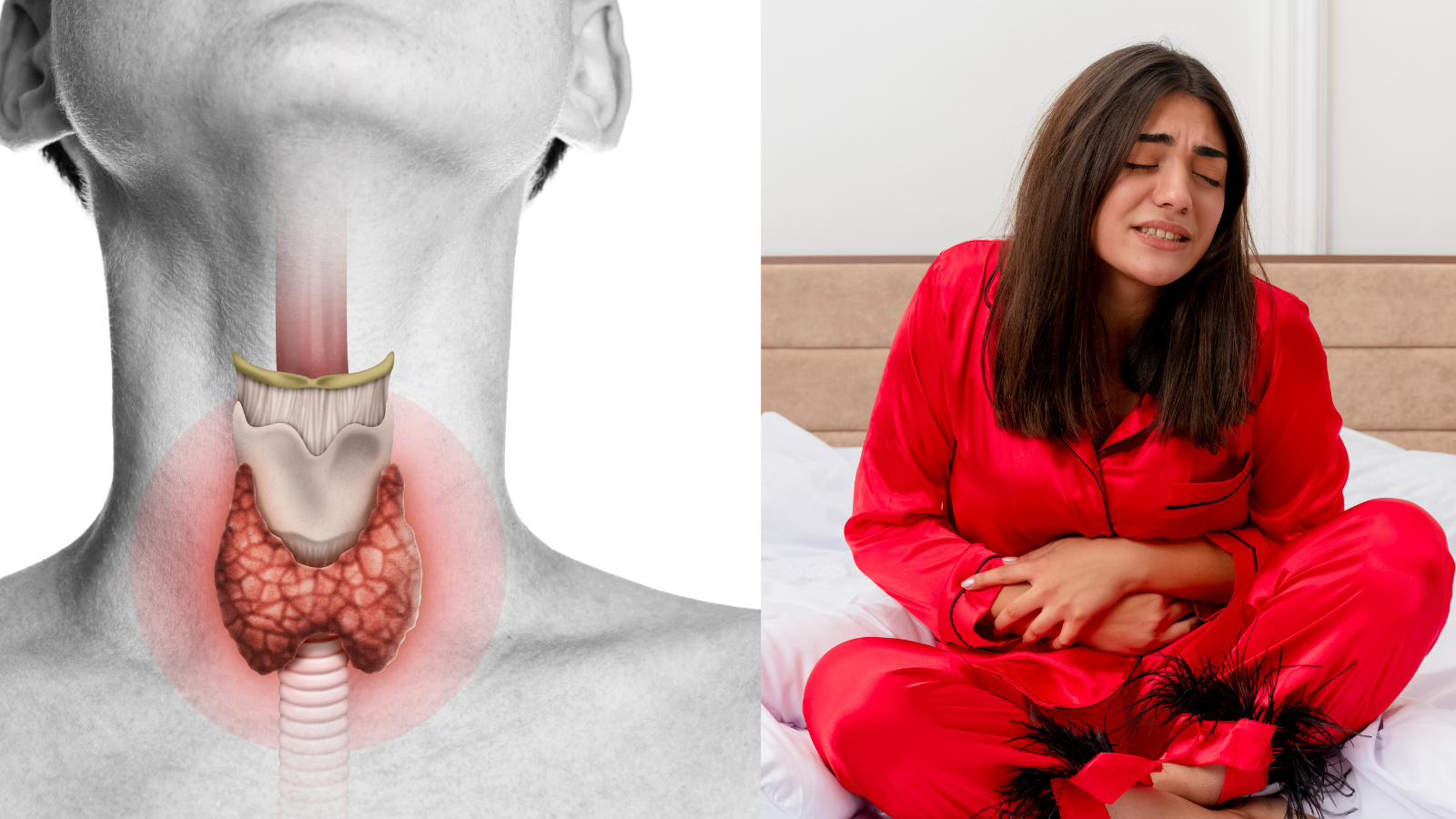
Thyroid disorders and PMOS are two distinct hormonal conditions that affect many women. While they originate differently, they can share several symptoms, such as irregular periods, weight gain, fatigue, and hair loss. Because of this overlap, it can be difficult to tell whether the body’s problems stem from a thyroid issue, PMOS, or both conditions occurring together.
Medical experts say that some women with PMOS also exhibit thyroid irregularities, but a link does not mean one condition causes the other. Correct identification relies on symptoms plus objective tests and professional evaluation. Blood tests and clinical assessment are essential to separate them, since symptoms alone are not enough.
Overview of Thyroid and PMOS Overlaps
According to the National Centre for Biotechnology Information, the thyroid is a small gland at the front of the neck that makes hormones regulating metabolism, energy use, and many bodily processes. When it does not produce enough hormones, hypothyroidism develops, leading to fatigue, weight gain, excessive sensitivity to cold, constipation, dry skin, and hair loss. This helps doctors tailor treatment to a patient’s specific condition.
PMOS is described as a hormonal and metabolic condition that can affect ovulation and raise androgen levels. Its signs include irregular periods, unwanted facial hair, acne, and thinning hair on the scalp. Some women also struggle with weight management. These features highlight why PMOS can resemble thyroid problems, yet each condition has distinct origins and mechanisms. Early detection improves outcomes.
Because symptoms such as fatigue, weight gain, and hair loss appear in both conditions, clinicians warn that diagnosis cannot rely on symptoms alone. A careful review of medical history, physical examination, and targeted testing is required to separate the two conditions and identify any coexisting issues for appropriate care plans.
Testing, Diagnosis and Management
Regarding menstrual cycles, hypothyroidism may disrupt them. The National Centre for Biotechnology Information notes that deficiency of thyroid hormones can affect the menstrual cycle. In some women periods arrive late, the cycle becomes irregular, or bleeding may be heavier than usual. Prolonged or severe thyroid dysfunction can also affect ovulation, which can influence fertility outcomes.
On the other hand, irregular ovulation is a hallmark of PMOS, and changes in periods should prompt consideration of thyroid issues as well if symptoms shift. When PMOS is present with thyroid dysfunction, doctors try to determine how much ovulation problems relate to each condition and plan treatment accordingly for the patient’s fertility.
Testing and management options include blood tests such as TSH and Free T4, used to gauge thyroid function and status. A doctor analyzes these results alongside symptoms and medical history to reach a diagnosis and craft a care plan. Ultimately, addressing both thyroid and PMOS issues can help stabilize periods, energy, and hair health. Patients should follow up as advised.