

The Importance of Identifying and Supporting Invisible Learners in the Classroom
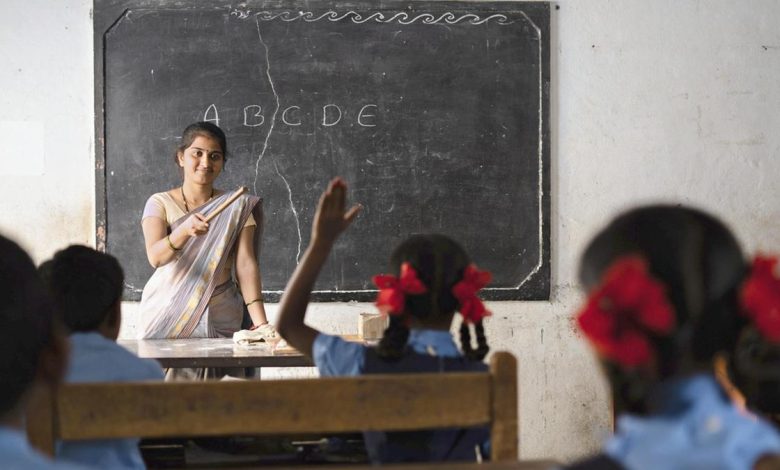
Ensuring that no student remains unseen is a cornerstone of inclusive education. In classrooms everywhere, some students struggle quietly — present but overlooked. These “invisible learners” may not demand attention, yet they carry challenges that quietly shape their learning, confidence and participation. Recognising and supporting them is essential to building a fair classroom.


Who are “invisible learners”?
The term covers a range of students who can slip under the radar, including:
- Children with undiagnosed learning difficulties
- Shy or introverted students who rarely speak up
- Those facing socio-economic hardship at home
- Students coping with emotional or psychological stress
Without deliberate strategies to spot them, these learners often fall behind academically and socially.
How educators can identify them
Early identification relies on attentive observation: noticing changes in participation, sudden dips in performance, withdrawal, or inconsistent work. Regular low-stakes check-ins and varied ways for students to show understanding can surface needs that a single test never would.
Strategies that help
- Differentiated teaching: Adapting methods so different learners can access the same material.
- Personalised support: Targeted help for specific challenges.
- Safe participation: Offering quieter students low-pressure ways to contribute.
- Home–school communication: Understanding context beyond the classroom.
Why it matters
When schools see and support every learner, they protect not just grades but long-term confidence and opportunity. An equitable classroom is one where quiet struggles are noticed before they become lasting setbacks.
Frequently Asked Questions
Who counts as an invisible learner?
Students whose needs go unnoticed — including shy children, those with hidden learning difficulties, or those facing personal hardship.
What helps most?
Attentive observation, differentiated teaching and personalised, low-pressure support.
An educational perspective from the DW24 News desk.