

New Delhi, India
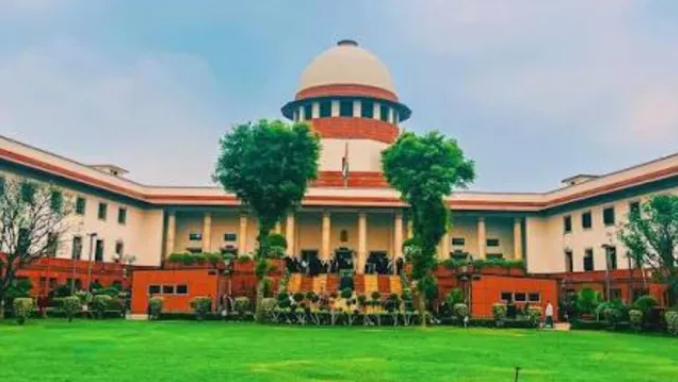
The Supreme Court has expressed serious concern over women’s safety in Delhi-NCR and directed the police and concerned agencies to strengthen security measures within a fixed timeline. Taking suo motu cognizance of recent rape incidents, the apex court said that merely expressing concern would not be enough and that concrete improvements in security arrangements must be visible on the ground.
The court has directed the police to conduct a comprehensive survey of sensitive areas across Delhi-NCR within four weeks. Authorities have also been asked to identify such locations, prepare security maps, and review the existing security arrangements in these areas.
Sensitive Areas to Be Identified
Under the Supreme Court’s directions, police will have to identify locations where the risk of crimes against women is higher or where security arrangements are inadequate. A detailed security map will be prepared after surveying these areas.
This process will help authorities determine which locations require additional security measures and where more resources need to be deployed.
Directions to Increase Police Patrolling
The court has also emphasized the need to increase police patrolling in sensitive areas. The objective is to strengthen police presence in such locations and provide women with a safer environment.
Particular attention has been recommended for areas where public movement is limited during late evening or night hours and where security risks may be higher.
Damaged Streetlights and CCTV Cameras to Be Repaired
The Supreme Court has also highlighted the importance of basic infrastructure in ensuring public safety. Authorities have been directed to repair non-functional streetlights and CCTV cameras.
Dark and poorly monitored locations are often considered more vulnerable from a security perspective. Improving street lighting and ensuring effective CCTV surveillance can help strengthen safety in public places.
Emphasis on Time-Bound Action
The apex court has made it clear that administrative assurances alone are not sufficient when it comes to women’s safety. Concrete action within the stipulated timeline is necessary to bring about real improvements in security arrangements.
The survey of sensitive areas within four weeks, preparation of security maps, increased police patrolling, and repair of faulty streetlights and CCTV cameras are among the key measures directed by the court.
Following the Supreme Court’s intervention, security arrangements for women across Delhi-NCR are expected to undergo greater review and monitoring. The responsibility now lies with the concerned police and administrative agencies to implement these directions effectively on the ground.