

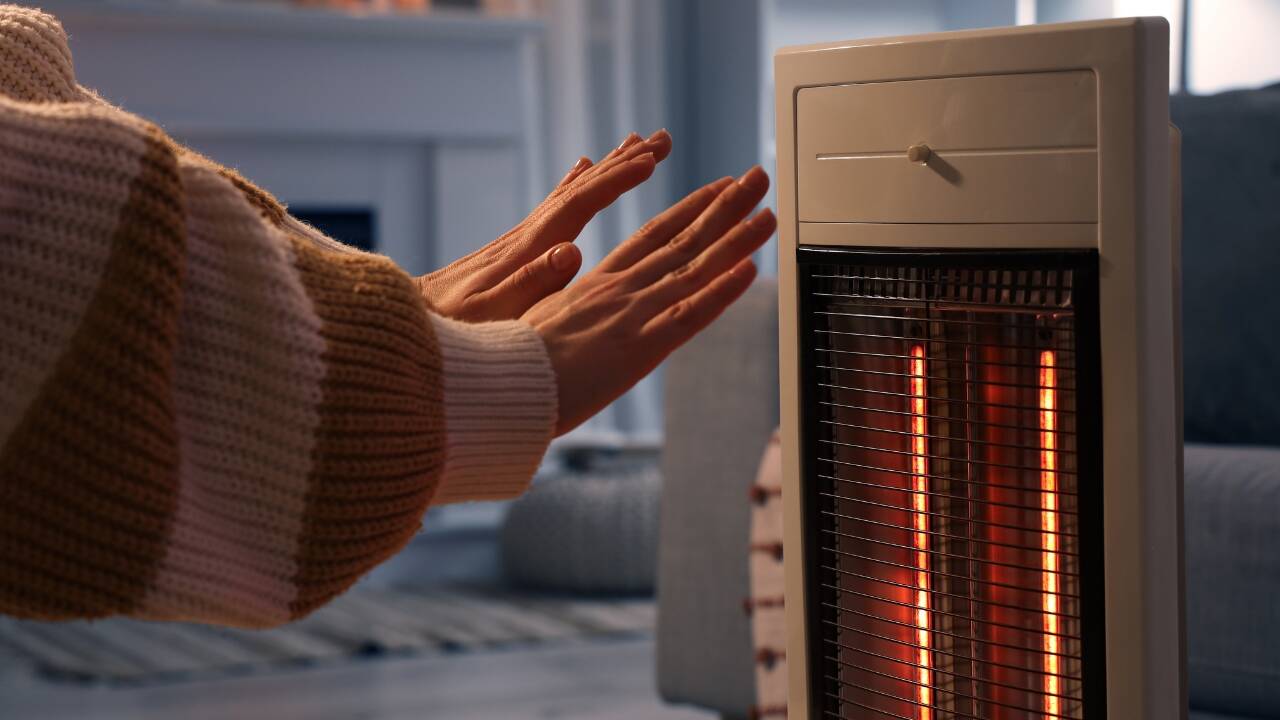
As temperatures drop, many households rely on room heaters to stay warm, especially during chilly mornings or long work-from-home days. This simple convenience can become risky if basic safety steps are ignored.
Avoid placing heaters near furniture or in corners
It is tempting to tuck a heater into a corner or beside a sofa to save space. However, this setup can be dangerous if the appliance is too close to curtains, bedding, clothes or upholstered furniture. Keep the heater on a stable, level surface and follow the clearance distance provided by the manufacturer. In general, keep combustible materials at least three feet away unless the instructions require more.
Maintain proper clearance and stable placement
To reduce fire risk, place heaters on a flat surface and observe the manufacturer’s clearance guidelines. The three feet rule helps prevent nearby fabrics from catching fire or overheating. Always position the heater where it cannot be easily knocked over or tipped.
Never cover a heater or use it to dry clothes
Covering a heater or using it to dry clothing can block airflow and create a fire hazard. Avoid placing anything on top of the heater, and never use it to dry textiles.
Don’t leave a heater running when you’re away or sleeping
Walking away from a running heater increases the chance of an accident if something falls against it. Always switch off the heater when you leave the room or go to sleep. Automatic shut-off features are additional safety measures, not substitutes for supervision.
Plug directly into a wall outlet; don’t rely on extension boards
Many people plug heaters into extension boards or multiple sockets because the wall socket is far away. Portable electric heaters draw significant power. Using an unsuitable extension cord or overloaded power strip can overheat and raise the risk of an electrical fire. Plug the heater directly into a suitable wall outlet and avoid sharing the socket with other high-power devices.
Inspect and maintain the heater; seek professional help for issues
Dust burning off when a heater first switches on after storage may produce a temporary smell, but persistent burning smells, sparks, unusual noises or visible damage should never be ignored. Inspect the plug, cord and appliance before each winter season. If the wire is frayed, the plug gets unusually hot, or the heater behaves differently, switch it off and have it checked by a qualified technician. Do not attempt makeshift repairs.
Other safety considerations for non-electric heaters
Not all room heaters operate on electricity. Some use fuels like kerosene or gas and require specific ventilation and installation precautions. Using an unsuitable fuel-burning heater in a closed room can expose occupants to carbon monoxide, a colorless and odorless gas that can cause serious poisoning. Use only indoor-approved appliances and follow ventilation requirements. Never use outdoor heaters, charcoal grills or cooking appliances to heat an indoor room, and install working carbon monoxide alarms where fuel-burning appliances are used.
Keep comfort and safety in balance
Keeping a heater on for long periods can overheat a room, dry indoor air, and raise electricity usage. Use the thermostat or temperature settings recommended for the appliance and switch it off once the room reaches a comfortable temperature. Ensure proper ventilation as advised by the heater’s instructions. A heater is useful in winter, but safety should always come first to prevent avoidable accidents.