

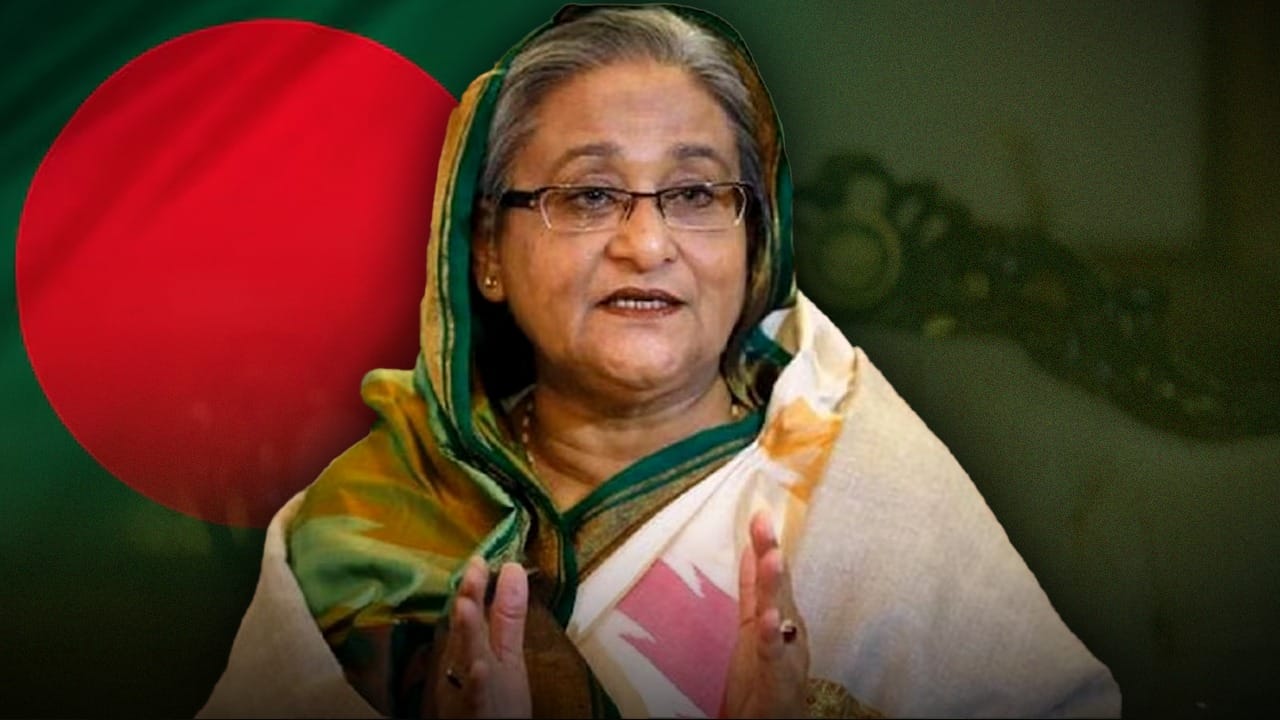
On the eve of a potentially pivotal homecoming, former Bangladesh prime minister Sheikh Hasina is reportedly planning to return to Dhaka on December 16, a move that has already stirred significant political tension across Bangladesh. Security has been tightened at Hasina’s home district of Goalapganj with hundreds of Border Guard Bangladesh (BGB) personnel deployed to maintain order as protests and unrest have flared in recent days. The tension coincides with heightened concerns about the status of her return and the legal processes surrounding it.
India has drawn a clear line regarding Hasina’s case, stating that extradition requests and voluntary repatriation are distinct matters. The Indian Foreign Ministry asserted that while India will consider Bangladesh’s extradition request under applicable procedures, a person choosing to return home with travel documents is a separate issue from extradition. This distinction is being watched closely by observers in Delhi and Dhaka alike.
The Ministry emphasised that Dhaka’s authorities have officially sought Hasina’s extradition, and India will follow the appropriate legal process. In parallel, if Hasina or any individual opts to travel back using a travel document with their own consent, that scenario would fall under different, non-extradition rules, the MEA noted, underscoring the nuanced interplay of diplomatic and legal avenues involved.
Concerns over minority violence in Bangladesh loom large
The MEA also voiced deep concern about ongoing violence against minorities in Bangladesh, citing episodes in Narail, Pabna and other districts. India urged Dhaka to ensure an impartial investigation into such incidents and to bring perpetrators to justice, underscoring that peace and protection for minority communities are essential for regional stability and bilateral trust.
Bangladesh’s government has warned that Hasina will be brought back “by force” if necessary, with the same laws applying to others who face criminal proceedings abroad. Dhaka’s stance triggered tense exchanges, as authorities argued that return would be orderly and bound by Bangladeshi law, while still allowing for Hasina’s access to the courts if extradition is pursued.
Meanwhile, Hasina’s spokesperson noted that Hasina had requested necessary travel documents through the Bangladesh High Commission in New Delhi on November 9 and 19, indicating she intends to return on December 16, the country’s Victory Day commemorating the 1971 war of independence. The spokesperson added that Hasina would travel back on Bangladesh’s national carrier, Biman Airlines.
Security measures intensify as a return looms
Across Bangladesh, security forces have been mobilised in response to the potential return, with authorities accusing Awami League-linked groups of orchestrating violence. The government has banned certain activities linked to the party in anticipation of potential protests, while online platforms were used to push lockdown-style programs on November 29 and 30, further escalating tensions.
In GOALganj, police and security forces have been supplemented by nearly 10 BGB platoons and additional SRB personnel in recent days, reflecting fears of intensified demonstrations. The Border Guard Bangladesh has outlined its deployment across seven districts, including 108 platoons, with 56 stationed in Hasina’s home city as part of broader containment efforts aimed at preserving law and order. The BGB indicated substantial manpower in Dhaka, Narayanganj, Gazipur, Moanaganj, Chattogram and Cox’s Bazar, with a further four platoons kept on standby for rapid response.