

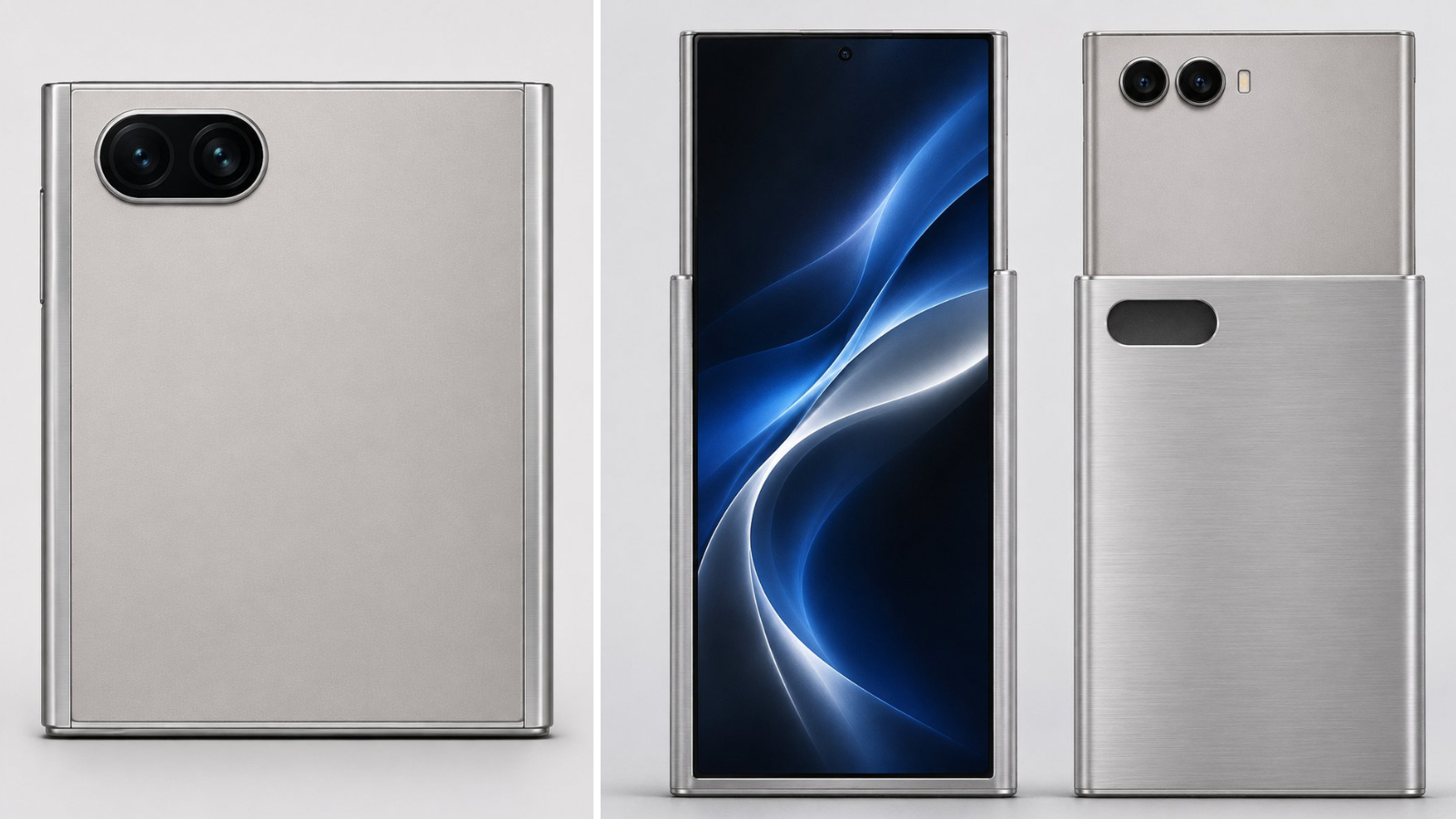
Samsung is reportedly developing a smartphone with a sliding display that extends upward rather than unfolding. According to well-known leaker Ice Universe, the device would use a vertical slide mechanism to reveal a larger screen when needed while remaining compact when closed. This concept signals a potential shift in how users interact with future Samsung flagships, building on recent foldable innovations.
Ice Universe Details
Ice Universe has shared details about the phone, saying Samsung is developing a sliding-display device. The tipster notes that the phone could switch between 16:9 and 21:9 aspect ratios, offering users flexible viewing options. Put simply, the device would be shorter when closed and longer when the display slides up to extend the screen.
The concept is described as a completely new direction for smartphones and appears practical in the eyes of enthusiasts. Samsung unveiled a wide foldable phone earlier this year, underscoring the company’s rapid push into advanced form factors. The idea of a sliding display suggests Samsung may pursue a fresh category that blends compactness with a larger, push-out screen.
Reports also point to a recent patent image showing a phone that slides upward when extended. The render indicates the device looks smaller in its original form, even shorter than Samsung’s Wide Fold. Analysts question potential trade-offs, including how the sliding mechanism might affect internal space and battery capacity, although no official specifications have been released.
New Concept in Smartphones
The idea of a sliding display marks a fresh concept in smartphones, aligning with Samsung’s ongoing innovations in foldables. After launching a wide foldable phone this year, Samsung could push further with a mechanism that enlarges the screen without a traditional hinge.
Experts say such a device could create a new category, and with Apple entering the foldable space, Samsung faces fresh competitive pressure.
The patent imagery suggests the handset would slide upward to reveal a larger display, with the device appearing shorter in its closed state — potentially shorter than Samsung’s Wide Fold. However, questions persist about how well apps would adapt to a sliding, variable aspect-ratio screen and whether users will embrace a different device footprint for everyday tasks.
Why it matters: The sliding-display concept could redefine how phones balance compactness with screen real estate, a challenge current models face. While fate of this device remains unconfirmed, the growing interest in alternate form factors—such as sliding and rollable screens—signals ongoing competition to redefine memory, battery and software optimization. Observers await official details on launch timing and pricing.