

Rupee Drops 39 Paise Against US Dollar – Here’s Why the Indian Currency Is Falling
The Indian rupee weakened by 39 paise against the U.S. dollar in early trading. Know the key reasons behind the decline, its impact on imports, fuel prices, inflation, and the Indian economy.
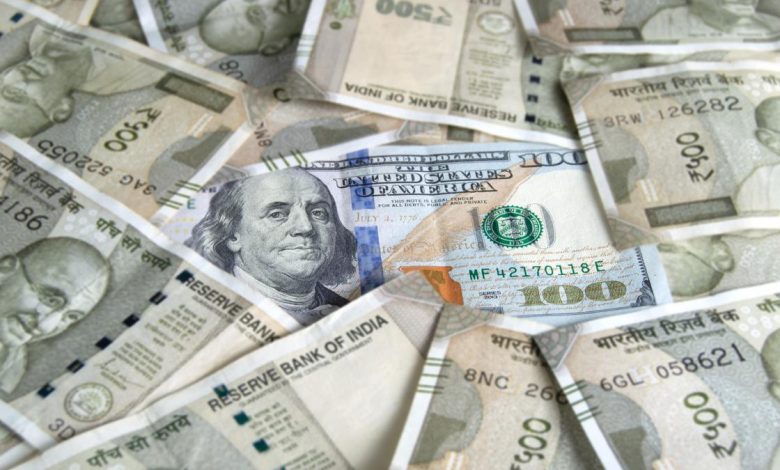
The Indian rupee slipped 39 paise against the U.S. dollar in early trading. Learn why the rupee weakened, today’s USD-INR exchange rate, and its impact on fuel prices, imports, inflation, and investors.

At the interbank foreign exchange market, the Indian rupee experienced a decline early in the trading session, opening at 95.72 and subsequently reaching 95.77 against the U.S. dollar. This movement reflects a loss of 39 paise compared to its previous closing value.
The depreciation of the rupee is influenced by multiple factors, including global economic conditions, currency fluctuations, and domestic trade dynamics. Analysts note that a range of external pressures, such as rising crude oil prices and global inflation concerns, continue to weigh on the rupee’s strength.
Market participants are closely monitoring the economic indicators and policy decisions both within and outside India, which contribute to daily exchange rate volatility. The appreciation or depreciation of the rupee has a direct impact on import costs, export competitiveness, and overall inflation levels in the country.
Financial experts recommend that businesses and investors stay informed about foreign exchange trends to make timely decisions. The Reserve Bank of India (RBI) often intervenes when necessary to stabilize the currency, but market dynamics remain sensitive to international developments.
Looking ahead, the rupee’s performance against the U.S. dollar will depend on several key factors such as global monetary policies, geopolitical tensions, and commodity prices, especially crude oil. A sustained depreciation could add pressure on India’s trade deficit and inflation rates if import costs rise significantly.
For now, traders and investors are advised to remain cautious and keep an eye on currency movements as they continue to navigate an uncertain global economic environment.