

Prabhsimran, Gaikwad, and Tilak Score Fifties Despite DLS Defeat to Afghanistan A
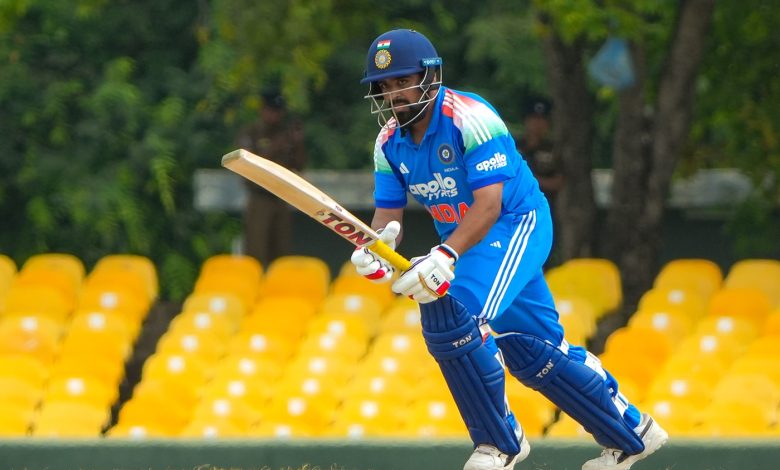
In a rain-affected contest, half-centuries proved decisive as the match was ultimately settled using the Duckworth-Lewis-Stern (DLS) method. With play disrupted several times by intermittent showers, both sides were tested on resilience and adaptability — and, as often happens in weather-hit games, the result hinged as much on managing conditions as on raw skill.


How the game unfolded
Batting first, Afghanistan A built a competitive total anchored by disciplined half-centuries from Imran Mir and Bahir Shah. Their partnership steadied the innings after early wickets, providing a platform despite the constant threat of rain interruptions. Imran Mir showed solid technique and temperament, rotating strike and punishing loose deliveries, while Bahir Shah complemented him with a measured mix of caution and aggression.
What is the DLS method?
The Duckworth-Lewis-Stern method is a mathematical formula used in limited-overs cricket to set a fair revised target when rain or other interruptions reduce the number of overs. It accounts for both the overs remaining and the wickets in hand, recognising that a team’s scoring potential depends on both resources. Understanding DLS is key to making sense of rain-affected results like this one.
Why the result was close
In matches shortened by weather, momentum and timing matter enormously. A strong start, well-set batters and the state of the chase at the point of interruption can all swing a DLS calculation. That is why such games frequently come down to fine margins rather than a dominant performance.
Frequently Asked Questions
Why was the DLS method used?
Because rain interrupted play and reduced overs, requiring a fair revised target.
What does DLS take into account?
The overs remaining and the wickets in hand — a team’s batting “resources.”
Match report compiled by the DW24 News sports desk.