

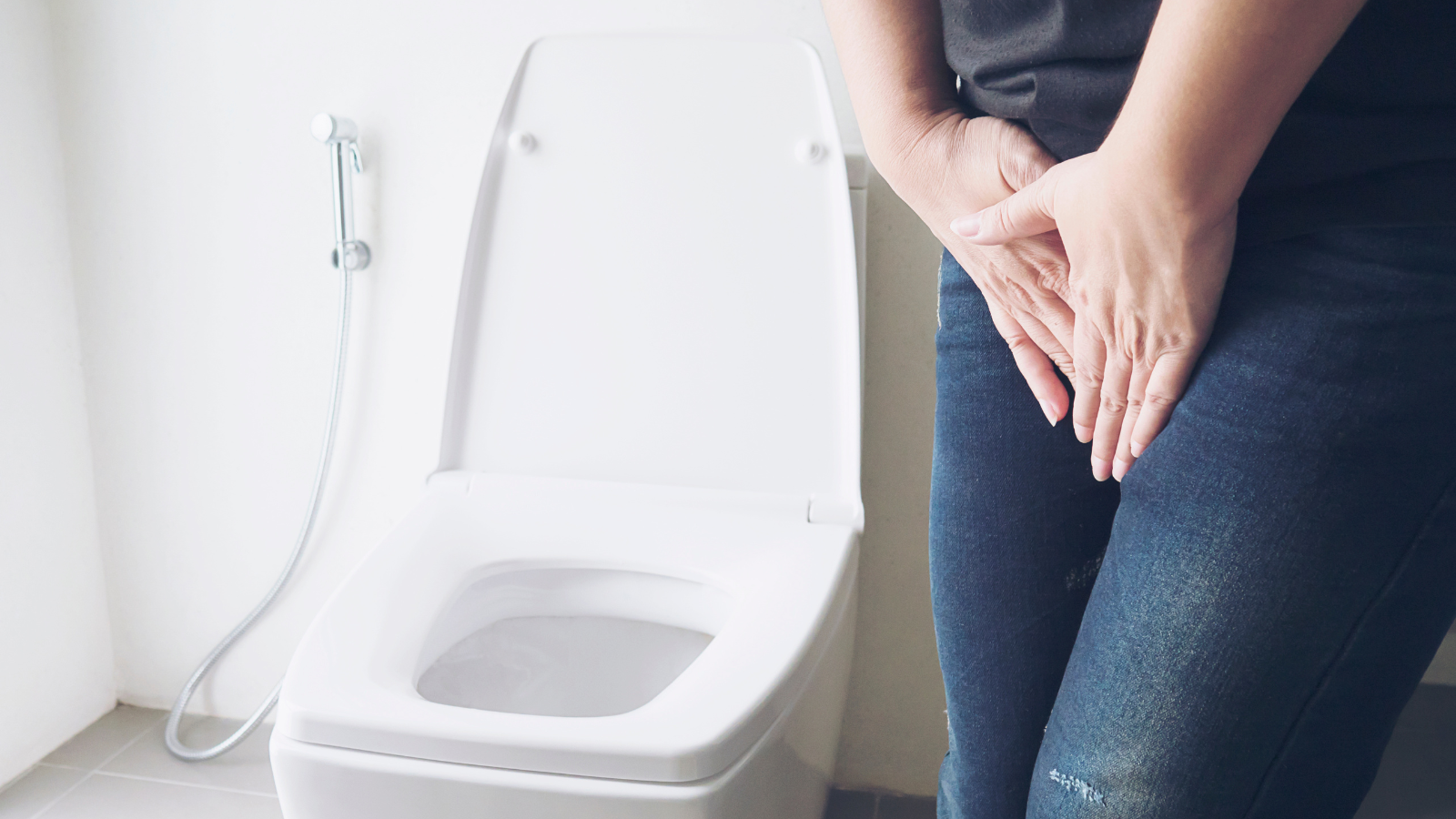
Across care settings, burning or pain during urination often signals a urinary tract infection, but the symptom is not exclusive to bacterial infections. In many cases, vaginal infections, sexually transmitted infections, kidney or bladder stones, or chronic conditions like interstitial cystitis can produce similar discomfort. Health professionals emphasize that these possibilities should be considered alongside UTIs when evaluating symptoms.
According to medical guidance, a patient’s report of dysuria, the clinical term for painful urination, does not guarantee a bladder infection. The skin around the vagina can become irritated after contact with soaps, fragranced washes, or other products, leading to burning that coincides with urination. Hormonal changes after menopause can also thin nearby tissues, heightening sensitivity and discomfort during urination.
Reviews from primary care sources note that dysuria arises from a spectrum of causes beyond UTIs, including sexually transmitted infections, vaginal infections, skin irritation, stones, and interstitial cystitis. Clinicians advise against self-treatment with antibiotics based solely on symptoms; accurate diagnosis hinges on targeted tests and examinations.
Vaginal infections are common culprits for burning during urination in women. Vaginal yeast infections involve excess fungal growth, typically presenting itching, redness, swelling, and thick, white discharge. When urine contacts irritated external skin, a burning sensation—externally termed external dysuria—can follow. Bacterial vaginosis disrupts the vaginal bacterial balance and may cause thin discharge and odor, occasionally accompanying urinary discomfort.
Despite overlapping symptoms, yeast infections and BV require distinct treatments from UTIs. Medical guidelines encourage clinicians to collect vaginal discharge samples when indicated to confirm the exact infection type before prescribing therapy. Understanding the precise cause helps ensure the right medication and avoids ineffective antibiotic use.
Beyond infections, kidney or bladder stones can mimic UTI symptoms. Stones form from mineral and salt deposits; if a stone blocks the ureter, one side of the back and abdomen may experience sharp, intense pain, sometimes with nausea, vomiting, or blood in urine. Bladder stones can cause lower abdominal pain, burning with urination, frequent urination, and occasional difficulty emptying the bladder.
Interstitial cystitis, or bladder pain syndrome, is a chronic condition characterized by pelvic pain and bladder pressure. This disorder can drive frequent urination and urgent urges, with pain that worsens as the bladder fills. Importantly, these symptoms resemble UTIs, yet standard bacterial infections are not present. Such conditions provide a clearer picture of why timely evaluation is essential.
In summary, urinary burning or pain does not always indicate a UTI. Yeast infections, bacterial vaginosis, stones in the kidney or bladder, interstitial cystitis, and STIs can all produce similar signs. A proper workup—urine tests, cultures, STI screening, and imaging when needed—helps clinicians determine the exact cause and tailor treatment accordingly, underscoring the value of seeking professional care rather than self-medicating.