

New Delhi, Delhi
In a major move to strengthen the country’s LPG supply infrastructure, the Petroleum and Natural Gas Regulatory Board (PNGRB), the oil and gas sector regulator, has approved new LPG pipeline projects covering approximately 1,800 kilometres, with an estimated investment of around ₹7,000 crore.
Once completed, the projects are expected to expand India’s common-carrier LPG pipeline network by nearly one-fourth. The primary objective is to strengthen LPG supply and reduce dependence on road-based transportation.
According to PNGRB, three strategically important LPG pipeline projects have been approved across Telangana, Maharashtra, Uttar Pradesh, Uttarakhand, Karnataka, and Goa. The projects will be developed by government-owned GAIL (India) Limited.
At present, the total length of the PNGRB-authorised common-carrier LPG pipeline network is approximately 7,700 kilometres. With the addition of the proposed pipelines, the network is expected to expand to around 9,500 kilometres, representing an increase of approximately 23.5 percent over the existing network.
India has significant demand for LPG for both domestic and commercial use. The country also depends substantially on imported LPG to meet its overall requirements. Large volumes of LPG reach coastal import terminals through sea routes, from where they are transported further to different states and consumption centres.
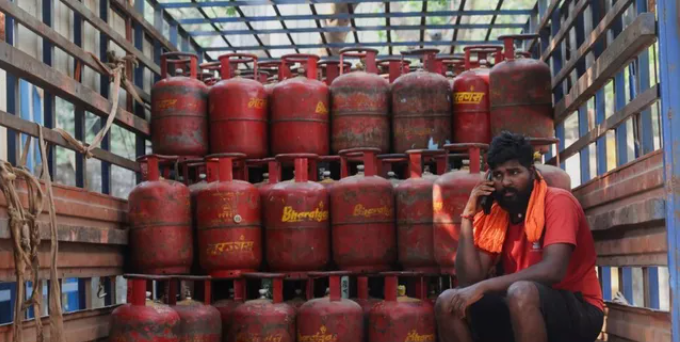
Road transportation currently plays an important role in LPG distribution. A large number of LPG tankers and trucks transport the gas to different parts of the country. The new pipeline projects are expected to reduce this dependence and create a stronger and more efficient gas transportation system.
Transporting large volumes of LPG through pipelines could increase the capacity of the supply network. This is expected to make the delivery system more reliable, particularly for major consumption centres.
The expansion is also significant for the government and the energy sector as India’s demand for LPG and overall energy requirements continue to grow. A stronger pipeline network will improve the country’s ability to transport gas from import terminals to different regions across India.
The proposed investment of around ₹7,000 crore is being seen as an important step towards strengthening India’s LPG supply chain in the coming years.