

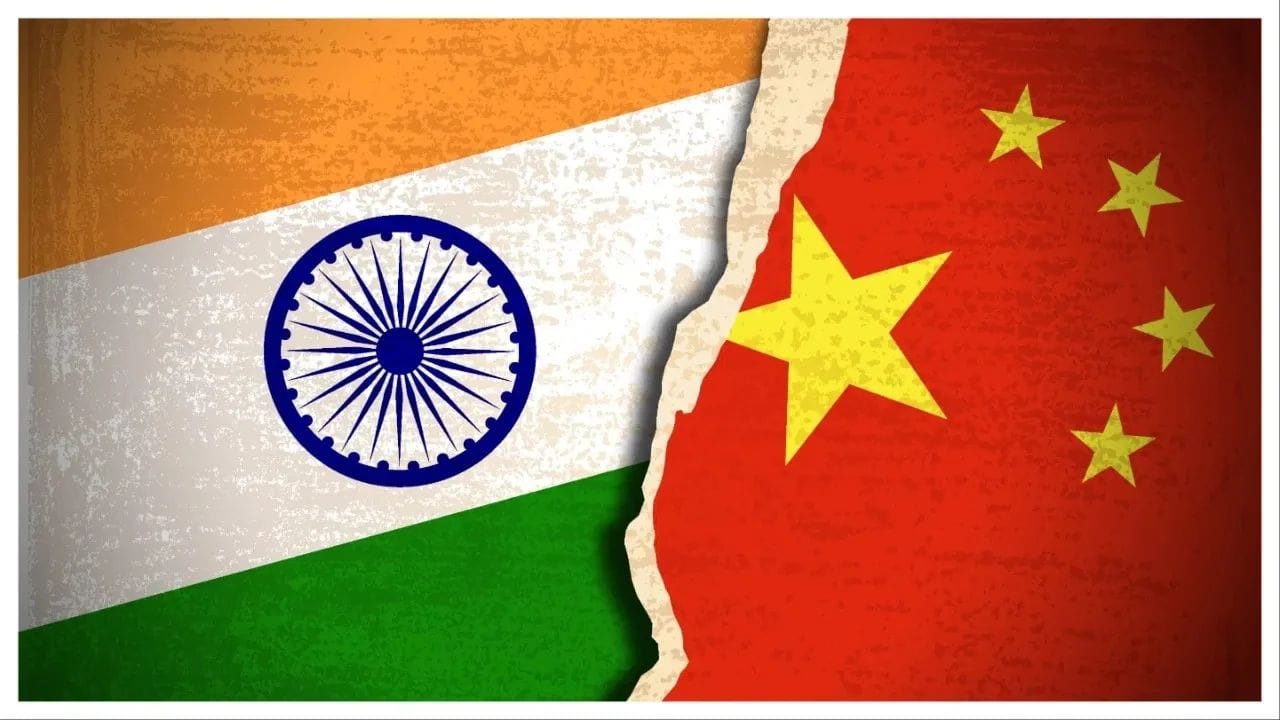
In a bid to avert frontline confrontations along the Line of Actual Control (LAC), India and China conducted a military dialogue that stretched for about ten days. The discussions focused on preventing clashes between troops stationed on the border as winter approaches. The second round of corps commander-level talks began on November 8 and continued with a brief pause, according to defence sources who described the exchanges as cordial and constructive.
On the Indian side, the dialogue was led by Lieutenant General Girish Kalia, the GOC of III Corps, commonly referred to as the Spur Corps. Chinese military officials, including their counterparts at the top, participated, alongside a Foreign Ministry official, underscoring the gravity of the situation and the desire for steady communications across the two militaries.
The core aim of the discussions was to manage face-to-face border situations, ensuring that small disagreements do not escalate into larger clashes. Both sides underscored the importance of maintaining channels of contact between commanders and guaranteeing that minor disputes do not spiral out of control, a theme repeatedly emphasized in high-level exchanges.
September’s Background Meeting
The latest talks followed a senior military commanders’ meet held in September in the eastern sector. A Flag Meeting between senior Indian and Chinese commanders took place on September 6 in Arunachal Pradesh’s Wachaa region, followed by a meeting in Damai on September 7, marking an extension of the senior commander-level dialogue to the eastern sector, according to Ministry of External Affairs spokesperson Randeep Jaishwal.
Officials said the September session built on understandings reached under the framework that began in August 2025 and August 2026 between the two countries’ special representatives, with formal discussions under the Working Mechanism for Consultation and Coordination (WMCC) on Border Affairs continuing as part of the broader engagement.
The September discussions occurred against the backdrop of tensions in the upper Subansiri district’s Taksting area, where reports of Indian and Chinese troops facing off had circulated, highlighting the fragile status quo and the potential for missteps in sensitive border zones.
Preparations Before Heavy Snowfall
The timing of these talks is significant as the eastern Himalayan region grows colder, with winter approaching and conditions likely to hinder troop movements and essential resupply. Both sides have maintained substantial deployments along the eastern border, making routine contact between local commanders more vital to prevent incidents on the ground.
Even as diplomatic efforts continue to ease tensions, the need for robust border defenses, improved communications, and operational readiness remains a focus for both nations. Prime Minister Narendra Modi and Chinese President Xi Jinping discussed border peace during their meeting in New Delhi on the sidelines of the BRICS summit on September 12, reflecting mutual interest in stability along the frontier.
Additionally, on November 21, Home Minister Amit Shah chaired a review in Itanagar of security and infrastructure along the Arunachal border. The assessment covered road connectivity, border posts, helipads, and telecommunications facilities, signaling a broader effort to buttress border resilience even as talks proceed, though no concrete agreements were announced following the latest round.