
New Delhi, Delhi
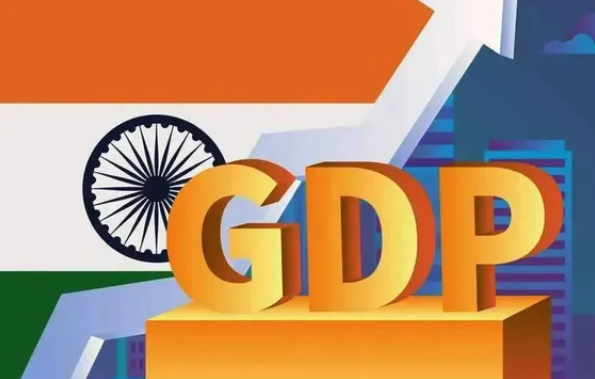
India’s economy could begin the financial year 2026-27 with strong growth. In its latest report, the State Bank of India (SBI) has estimated that India’s GDP growth rate could reach 8 percent in the first quarter of the fiscal year, covering April to June 2026. If the estimate remains close to the actual figure, India’s economic growth would be significantly stronger than the corresponding quarter of the previous financial year.
SBI’s estimate is higher than the 7 percent growth projection by the Reserve Bank of India (RBI). SBI arrived at its estimate after analysing 50 major economic indicators linked to consumption and demand during the first quarter.
86% of Indicators Show Growth
According to the SBI report, 86 percent of indicators related to agriculture, industry and services showed positive growth. In the first quarter of the previous financial year, 69 percent of the indicators had shown an improvement. This means that a larger share of economic indicators is showing positive activity this time.
Improvement in consumption and demand is considered an important factor for the economy. Strong domestic demand can support production and services, leading to increased business activity and stronger overall economic growth.
Growth Started at 6.8% in 2025-26
India’s GDP growth rate stood at 6.8 percent in the first quarter of financial year 2025-26. It subsequently rose to 7.8 percent in the January-March quarter. Against this backdrop, SBI’s estimate of 8 percent points to the possibility of further acceleration in economic growth.
However, when comparing quarterly growth figures, it is important to consider different economic conditions and base effects. The actual situation will become clear only after the official GDP data is released.
Increase in Government Capital Expenditure
SBI’s study also identifies higher government capital expenditure as a positive factor for the economy. Capital spending by both the central government and state governments has increased compared with the first quarter of the previous financial year.
Higher capital expenditure can provide momentum to infrastructure projects, construction activity and related sectors. It could also support investment and employment-related activities.
Increase in Bank Credit
Bank credit has also shown improvement compared with the previous year. Higher lending by banks can provide financial support to businesses and investment activities. Better credit flow to industries and the services sector, in particular, can contribute to increased economic activity.
Better Monsoon Could Support the Second Quarter
SBI has also expressed optimism about the second quarter of financial year 2026-27. According to the report, above-normal or improved rainfall during the monsoon season could benefit the agricultural sector. Growth in agriculture could, in turn, support rural incomes and demand.
Stronger rural demand could benefit sectors such as consumer goods, automobiles, retail and various services. As a result, economic activity is also expected to remain relatively strong during the July-September quarter.
SBI Forecasts Higher Growth Than RBI
The RBI has projected 7 percent GDP growth for the first quarter, while SBI has estimated that growth could reach 8 percent. The difference between the two estimates suggests that, based on current economic indicators, SBI expects relatively stronger economic performance during the quarter.
At present, the 8 percent GDP growth rate is only an estimate, not the final figure. The actual growth rate will be known once the official GDP data is released.
Nevertheless, positive signals from economic indicators, higher government capital expenditure, improved bank credit and favourable monsoon expectations suggest that India’s economy could have a strong start to financial year 2026-27.