

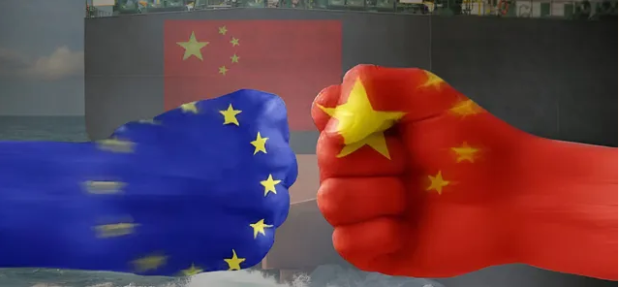
New Delhi, Delhi. The European Union (EU) has taken strict action against rice-based food products imported from China after detecting unauthorized genetically modified organisms (GMOs). Three Chinese shipments were reportedly rejected at European borders due to the presence of prohibited genetically modified ingredients.
The development has once again highlighted the importance of food safety regulations, quality standards, and compliance requirements in international food trade.
The matter is particularly significant because China has previously rejected food shipments from several countries, including India, over GMO-related concerns.
The EU’s action could potentially create new business opportunities for Indian food exporters seeking to expand their presence in European markets.
EU Rejects Three Chinese Rice Product Shipments
According to notifications issued through the European Union’s Rapid Alert System for Food and Feed (RASFF), three shipments of rice-based food products originating from China were rejected after September 15.
One shipment was reportedly rejected on September 24, while two additional consignments were turned away in November.
The products were found to contain genetically modified ingredients that were not authorized under applicable European Union regulations.
The rejection of these shipments highlights the EU’s enforcement of food safety and import compliance requirements.
GMO Contamination Reported in Eight Shipments
According to the report, the latest incidents brought the total number of Chinese shipments in which GMO presence had been reported to eight.
The European Union maintains regulatory standards governing the import and sale of food products.
When imported products contain unauthorized genetically modified organisms, authorities may take action in accordance with applicable food safety regulations.
Such measures can include rejecting shipments, restricting market access, or requiring further investigation.
The latest action against Chinese rice-based products reflects the importance of regulatory compliance in international agricultural trade.
What Are Genetically Modified Organisms?
GMO stands for Genetically Modified Organism.
The term refers to an organism whose genetic material has been altered using genetic engineering techniques.
In agriculture and food production, genetic modification may be used for various purposes, including improving crop characteristics, increasing resistance to pests, or enhancing productivity.
However, regulations governing the approval, cultivation, import, and sale of genetically modified products differ across countries.
The European Union has specific authorization requirements for genetically modified food and feed products.
The presence of unauthorized GMOs in imported food products can result in regulatory action, including rejection at the border.
China Has Also Rejected Food Shipments Over GMO Concerns
China has previously rejected imported food consignments from several countries, including India, citing concerns related to genetically modified ingredients.
The original news headline refers to China rejecting 146 shipments.
However, the available information does not provide a complete breakdown of those shipments, including the countries involved, product categories, or the period during which the rejections occurred.
The issue demonstrates how GMO-related regulations can influence international food trade and affect exporters seeking access to major global markets.
How Could India Benefit From the EU’s Action?
The rejection of Chinese rice-based food shipments could potentially improve the competitive position of Indian food exporters in the European market.
Indian companies involved in exporting rice and rice-based processed food products may find opportunities to strengthen their market presence.
Exporters that consistently meet European food safety requirements, quality standards, and product testing regulations could be better positioned to attract international buyers.
The development may also encourage European importers to explore alternative suppliers for certain rice-based food products.
However, any increase in demand for Indian products would depend on factors such as pricing, product quality, supply capacity, and compliance with EU regulations.
Food Quality and Testing Become Increasingly Important
Quality assurance, laboratory testing, and regulatory compliance play an essential role in international food trade.
Exporters must ensure that their products meet the safety and quality requirements established by importing countries.
This includes checking for unauthorized ingredients, maintaining proper documentation, and following applicable food processing and packaging standards.
The EU’s action against Chinese shipments demonstrates that products failing to meet import requirements may be rejected regardless of their country of origin.
For Indian exporters, maintaining consistent quality and compliance could help strengthen confidence among European buyers.
How Much Could Indian Exports Actually Gain?
Although the rejection of Chinese shipments may create potential opportunities for Indian exporters, there is currently no confirmed data in the supplied report showing a direct increase in India’s exports as a result of these actions.
Therefore, the development should be viewed as a possible trade opportunity rather than evidence of an immediate commercial gain.
The actual impact will depend on European market demand, the competitiveness of Indian suppliers, and their ability to meet strict import regulations.
EU Action Highlights Importance of Global Food Safety Standards
The European Union’s rejection of Chinese rice-based food shipments has brought renewed attention to food safety regulations and the reliability of international supply chains.
The incident highlights the importance of meeting regulatory requirements in an increasingly competitive global food market.
For India, the development could offer an opportunity to strengthen its position as a supplier of rice-based food products to European countries.
However, the extent of any potential benefit will become clearer only when verified trade data and changes in export demand become available.