

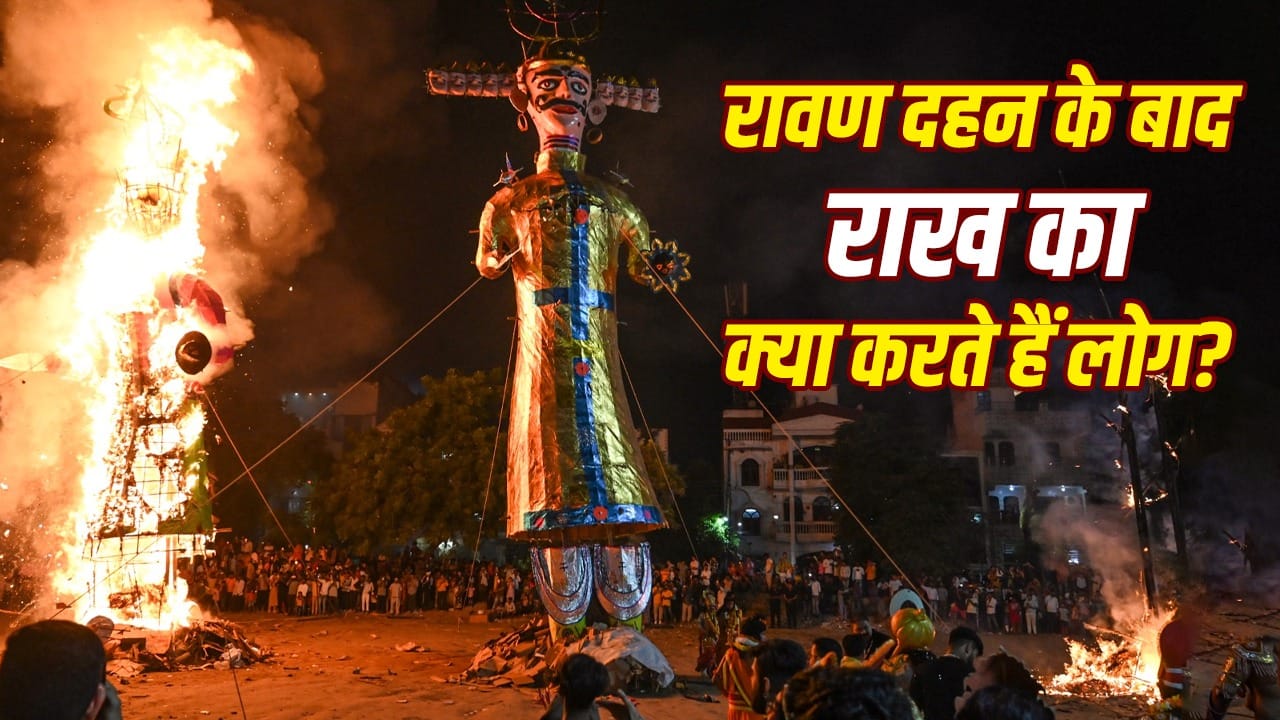
Dussehra, observed across India, marks the victory of good over evil, symbolized by the burning of Ravana’s effigy. On this day, people celebrate Lord Rama’s triumph over Ravana, who had abducted Sita. In many regions, effigies of Kumbhakarna and Meghanada are also set ablaze alongside Ravana’s. A unique local custom involves bringing home the ashes left after Ravana Dahan, which holds various symbolic meanings in different communities.
Meaning Behind Bringing Ravana’s Ashes Home
According to traditional beliefs, the ashes from Ravana Dahan represent the end of evil. People see this ritual as a way of welcoming positivity and warding off negativity. Just as Ravana’s death signified the victory of righteousness over immorality, bringing the ashes indoors symbolizes protection against bad influences and the ushering in of prosperity and happiness.
In many cultures, Ravana is not seen simply as a villain but as a learned scholar and possessor of great power. The ashes from his effigy are believed to carry significant spiritual energy. Sprinkling these ashes at the main entrance or keeping them tied in a small bundle is thought to dispel negative energies within the home. Additionally, applying a little of this ash on children’s foreheads is believed to shield them from evil eyes and harmful external forces.
Financial Well-being Symbolism
Another prevalent belief is that placing a small amount of Ravana’s ashes wrapped in a red cloth inside the cash box or where money is kept can help ease financial difficulties. This custom ties back to Ravana’s association with Kubera, the god of wealth. The ashes symbolize the end of ego and excessive spending, which is thought to encourage better management of finances and attract prosperity.
Dussehra or Vijayadashami commemorates Lord Rama’s victory over Ravana after the latter kidnapped Sita, as narrated in the Ramayana. The burning of Ravana’s effigy serves not only as a celebration of this event but also as a reminder to overcome negative traits like arrogance, anger, and greed.
Is Bringing Ashes Home Mandatory?
While bringing Ravana’s ashes home is a widespread folk tradition, it is not deemed a necessary religious practice to observe Dussehra. According to astrologers and religious experts, the act is region-specific and optional. The festival’s core significance remains the triumph of good over evil, not the rituals surrounding the ashes.
This cultural practice varies by location, and the decision to bring ashes home depends on local customs and personal beliefs. It serves as a symbolic gesture rather than a strict religious requirement, highlighting the diversity in how Dussehra is celebrated across India.
In summary, the custom of bringing Ravana’s ashes indoors after Dussehra celebrates the destruction of evil and the welcoming of positive energy, prosperity, and protection within homes. This tradition, rooted in mythological beliefs and regional variations, reflects the rich cultural tapestry that surrounds India’s festivals and religious observances.