

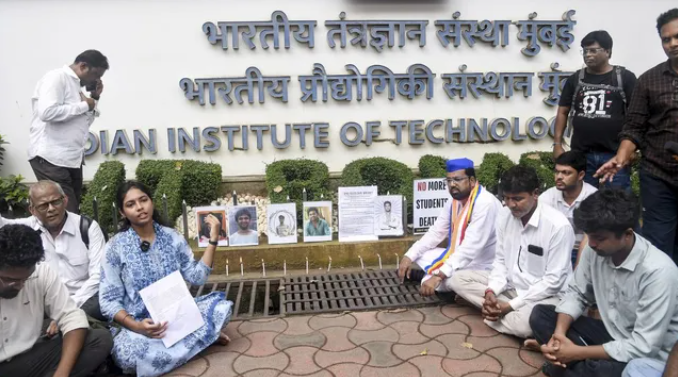
Mumbai, Maharashtra
Following the suicide of second-year student Sahil Wakode at the Powai campus of IIT Bombay, the debate over academic pressure on students and the responsibility of higher education institutions has intensified. The incident has not only raised concerns at IIT Bombay but has also prompted educators at other leading technical institutions across the country to reconsider existing student-support systems.
Following the incident, different claims and versions of events have emerged. Educators have therefore emphasized that it is important to consider the facts established during the investigation and statements from the concerned parties before reaching any conclusion.
One of the key questions surrounding the case is whether a teacher reprimanding a student for cheating during an examination automatically amounts to a caste-based slur or remark. Educators say that the distinction between disciplinary action and a caste-based remark must be assessed on the basis of facts. If a teacher is accused of making a caste-based comment, the allegation should be established only through an investigation and available evidence.
Heads of several IITs and senior faculty members have expressed deep concern over the student’s death. They say that emotions naturally run high following the death of a young student, but it is equally important to understand institutional procedures and the sequence of events. According to them, educational institutions must follow established procedures for addressing student complaints, academic stress, and personal difficulties.
There has also been reported unease among some faculty members regarding the investigation related to Professor Doola. Educators believe that all sides should be given an opportunity to present their views during such an investigation and that conclusions should not be based on any preconceived assumptions.
Experts point out that the academic and competitive environment at institutions such as the IITs is highly demanding. Students may face continuous pressure related to examinations, grades, future prospects, and careers. Therefore, focusing solely on academic performance is not sufficient.
The death of Sahil Wakode has once again raised questions about how higher education institutions can maintain a balance between discipline, academic standards, and student welfare. According to educators, strong counselling services, effective grievance-redressal mechanisms, and comprehensive student-support systems can play an important role in addressing these challenges.