

Core Sector Growth Decelerates to 0.5% in May 2026, Marking Second-Lowest in 21 Months
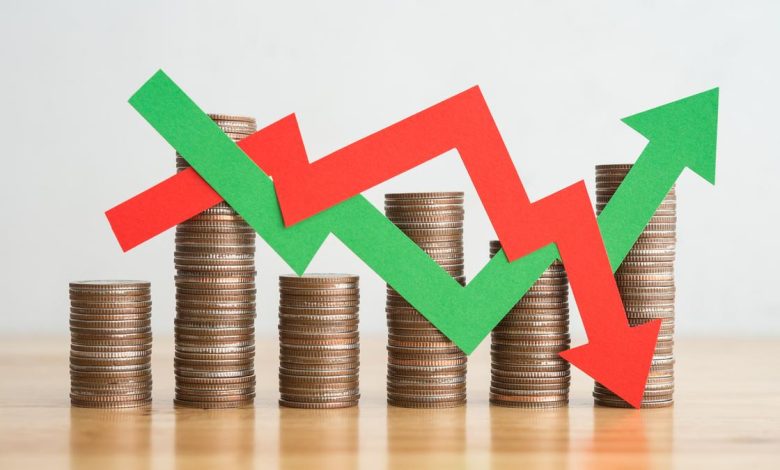
In May 2026, India’s core sector growth slipped to a modest 0.5%, marking the second-slowest pace in nearly two years. Recent data indicates that five out of eight key sectors experienced contraction during the month, painting a cautious picture of industrial performance amid ongoing economic challenges.

The core sectors — which include coal, crude oil, natural gas, refinery products, fertilizers, steel, cement, and electricity — form the backbone of India’s industrial activity and significantly influence the overall economic health. Notably, electricity was the only sector to register a tangible increase in output. However, this sector’s growth was not strong enough to offset the declines seen in others.
Among the sectors that reported growth in May 2026, the pace slowed considerably compared to previous months. This deceleration reflects subdued demand and supply-side disruptions that have persisted across multiple industries. Economic experts point to a combination of global uncertainties, domestic policy adjustments, and seasonal factors as drivers behind the uneven sectoral performance.
The sectors contracting include coal, crude oil, natural gas, refinery products, fertilizers, steel, and cement, each showing varying degrees of decline. Coal production dipped amid logistical bottlenecks, while crude oil and natural gas outputs were impacted by fluctuating international prices and supply constraints. Steel and cement, critical to infrastructure and construction activity, also contracted, suggesting a slowdown in demand from core industrial and real estate sectors.
Analysts suggest that the slowdown in core sector growth could have broader implications for India’s industrial momentum and GDP growth trajectory. The core sector contributes significantly to the Index of Industrial Production (IIP), and prolonged contraction in these areas could dampen overall economic expansion.
Industry stakeholders and policymakers are carefully monitoring these trends. Efforts to stimulate demand, ease supply chain issues, and boost investment in infrastructure may be necessary to revive growth. The government is expected to introduce supportive measures in upcoming fiscal policy announcements to address these challenges.
While the nominal growth in May 2026 does raise caution, experts believe it also provides an opportunity to recalibrate strategies for sustained industrial recovery. Continued focus on modernization, energy transition, and improving operational efficiencies in core sectors will be key to reversing the current slowdown.
Moving forward, analysts will watch closely how the core sectors perform in the coming months, particularly as global economic conditions stabilize and domestic policies take effect. The trajectory of India’s industrial growth will remain a crucial indicator of the nation’s broader economic health in the near term.