
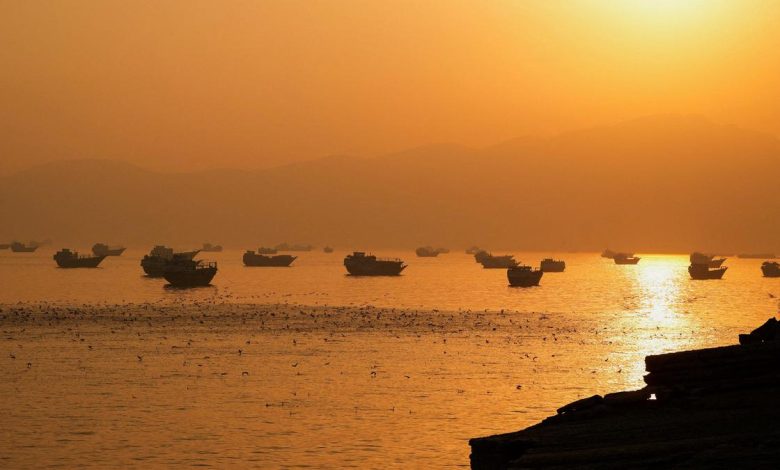
Thirteen Indian-flagged vessels remain stationed in the Persian Gulf, positioned west of the strategic Strait of Hormuz, amid ongoing geopolitical tensions in the region. Industry insiders report an atmosphere of cautious optimism among Indian shipowners as they navigate uncertain waters, both literally and figuratively.


The Persian Gulf has long been a critical artery for global oil shipments, and the Strait of Hormuz is a vital chokepoint through which nearly 20% of the world’s petroleum passes. This makes maritime security a paramount concern for nations relying on this passageway, including India. The continued presence of these vessels in the Gulf reflects a complex interplay of economic imperatives, diplomatic engagement, and maritime safety considerations.
Shipowners in India have expressed apprehension about the evolving security situation, highlighting the need for enhanced governmental support. Sources from the maritime sector reveal that vessel operators are seeking clear guidance and stronger safeguarding measures to ensure crew safety and the uninterrupted flow of commerce. They emphasize that the Indian government’s role is crucial in providing both diplomatic backing and logistical assistance to navigate these challenging waters.
The Indian Ministry of Shipping and the Ministry of External Affairs have acknowledged the situation, stating that they are closely monitoring the status of these vessels and engaging with regional authorities to safeguard Indian maritime interests. Measures under discussion include enhancing naval patrols, issuing safety advisories, and collaborating with international partners to maintain freedom of navigation.
Experts warn that any escalation in hostilities in the Persian Gulf could jeopardize not just the safety of the Indian-flagged ships but also disrupt vital energy supplies, impacting India’s economy. Therefore, diplomacy and strategic preparedness remain key priorities for New Delhi in addressing the challenges presented by the current regional dynamics.
Meanwhile, shipping companies are adopting risk mitigation strategies such as adjusting routes, enhancing onboard security protocols, and ensuring compliance with international maritime regulations. These efforts underscore the sector’s resilience and adaptability in the face of geopolitical uncertainties.
As India continues to assert its maritime rights amidst shifting geopolitical currents, the outlook for these vessels in the Persian Gulf remains cautiously optimistic. Stakeholders hope that coordinated government initiatives and international cooperation will soon facilitate safer and more stable operating conditions for Indian shipping interests in this vital region.