
US Beef Prices Surge Amid Shrinking Cattle Herd and Screwworm Outbreak

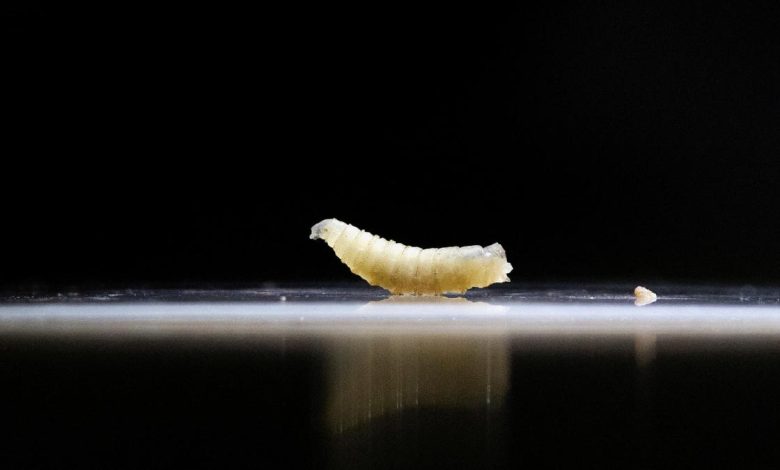
The US cattle industry is facing unprecedented challenges as beef prices hit record highs, partly driven by the rising threat of flesh-eating screwworms affecting livestock. With the national cattle herd already at a multi-decade low, recent closures due to screwworm infestations have further tightened supply, keeping more calves out of the supply chain.
Industry experts warn that the combination of a reduced number of cattle and the spread of these parasitic worms could have significant economic consequences. Screwworms, known for their damaging effect on animal tissue, have created barriers to cattle trade and movement, disrupting normal herd replenishment cycles.
“The outbreak is straining our already fragile cattle population,” said a senior agriculture official. “It’s a serious biosecurity concern that impacts farmers, ranchers, and ultimately, consumers.”
The US Department of Agriculture (USDA) has ramped up surveillance, quarantine measures, and eradication programs to combat the pest. However, these efforts come at a cost, including decreased animal movement and delayed processing at slaughterhouses.
Farmers report increased losses and hesitance to transport calves, fearing the spread of the worms. This hesitancy contributes to shrinking market supply at a time when demand for US beef remains robust both domestically and overseas.
According to market analysts, the tight supply-demand balance has pushed wholesale beef prices to new heights, affecting grocery store shelves and restaurant menus nationwide.
Consumers may experience higher prices and less variety as retailers and producers adjust to the evolving situation. Authorities emphasize the importance of biosecurity and proper management practices to contain the outbreak and protect the industry.
While eradication efforts continue, the future stability of US beef prices depends heavily on controlling the screwworm threat and rebuilding the cattle herd. This development underscores the vulnerability of critical agricultural supply chains to emerging animal health issues.