
Bangladesh Urges Progress on Teesta Water Sharing Deal After BJP’s Victory in West Bengal
Bangladesh's Foreign Minister calls for renewed talks on the Teesta water-sharing agreement following the BJP's election victory in West Bengal.
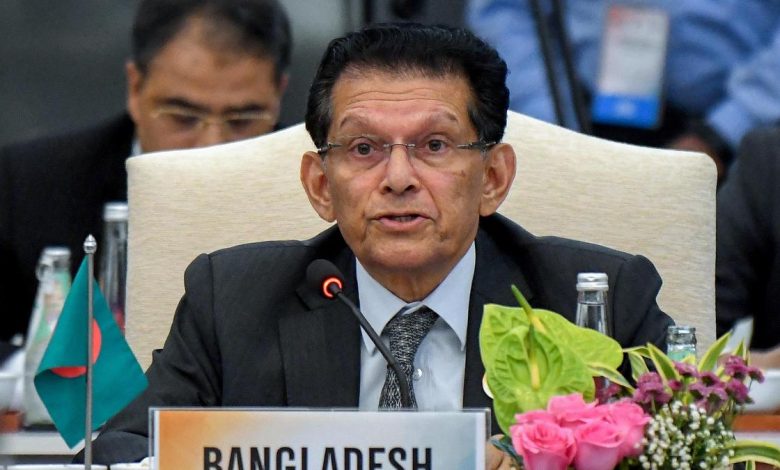
Bangladesh has urged India to advance the Teesta water-sharing agreement after the BJP’s victory in West Bengal, highlighting the importance of bilateral cooperation and regional water management.


Bangladesh has renewed its call for progress on the long-pending Teesta water-sharing agreement following the BJP’s victory in West Bengal. The issue remains a key part of India-Bangladesh relations, with Dhaka seeking a mutually beneficial solution to improve regional cooperation and water resource management.
Addressing the media, the Foreign Minister remarked, “Of course, Teesta will be discussed with China,” signaling Bangladesh’s intent to explore multiple diplomatic channels to secure a favorable water-sharing arrangement. The upcoming trip to Beijing is viewed as a strategic move to garner support and seek regional collaboration on water resources management.
Bangladesh has consistently demanded a greater share of the Teesta waters, a river that sustains millions of livelihoods across northern Bangladesh and West Bengal. The dispute over the river’s waters has been a long-standing issue between India and Bangladesh, complicated further by regional politics in West Bengal. Mamata Banerjee’s administration reportedly views the deal with caution, citing concerns over the water allocation to Indian farmers within her state.
Experts suggest that the political dynamics in India, especially following the recent BJP win in West Bengal, could influence the pace and tone of negotiations. While Dhaka pushes for immediate progress, New Delhi appears cautious, balancing domestic interests with international diplomacy.
Water sharing agreements such as the one for the Teesta river involve sensitive considerations including agricultural needs, environmental sustainability, and bilateral trust. Given these factors, analysts expect the upcoming discussions in Beijing to focus on multilateral cooperation and innovative water management approaches.
In summary, the Bangladesh Foreign Minister’s remarks come at a critical juncture as both nations seek to navigate political complexities and climatic challenges threatening water security. The emphasis on discussing Teesta with China underscores Bangladesh’s strategy to diversify its diplomatic engagement and strengthen its negotiation stance amid sluggish progress with India.
As this issue unfolds, all eyes remain on the forthcoming diplomatic dialogues, which hold the potential to reshape regional water sharing dynamics and foster greater cooperation between South Asian countries.