
Trump Claims US Will Get 20% Strait of Hormuz Transit Fee Reimbursement – What It Means for Global Oil Trade
Former President Donald Trump says the United States could receive a 20% reimbursement linked to Strait of Hormuz maritime access, sparking fresh debate over global shipping, oil prices, and international trade routes.
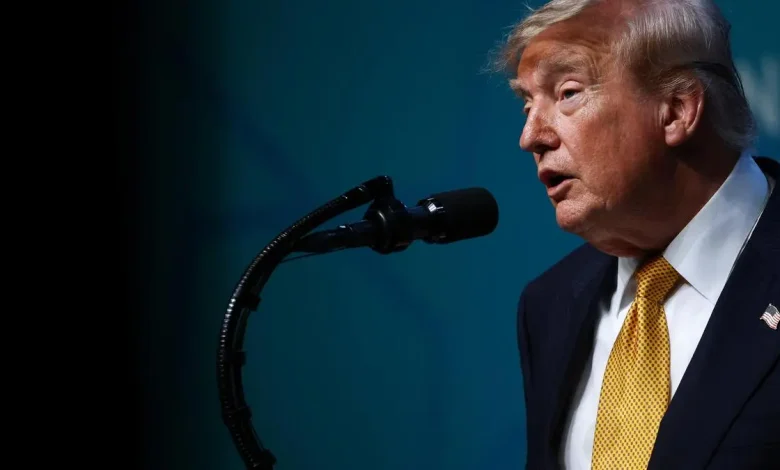
Donald Trump says the US could receive a 20% Strait of Hormuz transit fee reimbursement. Here’s what it means for global oil trade, shipping, and energy markets.

The Strait of Hormuz is one of the world’s most strategically significant maritime chokepoints, linking the Persian Gulf with the Gulf of Oman and the Arabian Sea. It serves as a vital transit route for a significant percentage of the world’s oil supply. Recently, discussions about imposing tolls or maritime service charges on vessels passing through the Strait have sparked international debate and controversy.
Several countries and industries dependent on the free passage of maritime traffic through this narrow waterway have voiced strong objections to any form of toll or charge. They argue that the Strait should remain open and freely accessible, without additional financial burdens that could disrupt trade and increase costs for goods globally.
Experts highlight that the Strait of Hormuz sees over 20% of the world’s petroleum oil transit. Any interruption or increased costs associated with navigation could have ripple effects across global markets, leading to increased fuel prices and economic uncertainty. Shipping companies are particularly concerned about potential tolls, emphasizing that maritime routes should be treated as international waterways with unobstructed passage rights.
Many international bodies and governments have supported the stance of keeping the Strait open and toll-free, stressing the importance of maintaining security and stability in the region to safeguard uninterrupted global trade. They have called for diplomatic solutions to address any disputes or security concerns without hindering shipping traffic.
The geopolitical importance of the Strait makes it a focal point for regional and international diplomacy. Besides commercial interests, security issues, including naval patrols and military tensions, also factor into discussions surrounding the waterway’s regulation. Ensuring free access is frequently highlighted as vital to peace and economic stability in the wider Middle East and beyond.
As talks continue, all stakeholders seem to agree on one point: the Strait of Hormuz must remain accessible to maintain the fluid movement of goods and energy resources essential to the global economy. However, the debate over whether to impose any fees or controls reflects the complex balance between sovereign rights, international law, and economic interests in a strategically sensitive region.
The international community is watching closely, understanding that decisions taken here could set precedents for how critical maritime routes are managed worldwide in years to come. Maintaining an open, secure, and toll-free Strait of Hormuz remains a priority for many of the countries and industries whose livelihoods depend on smooth maritime operations.