

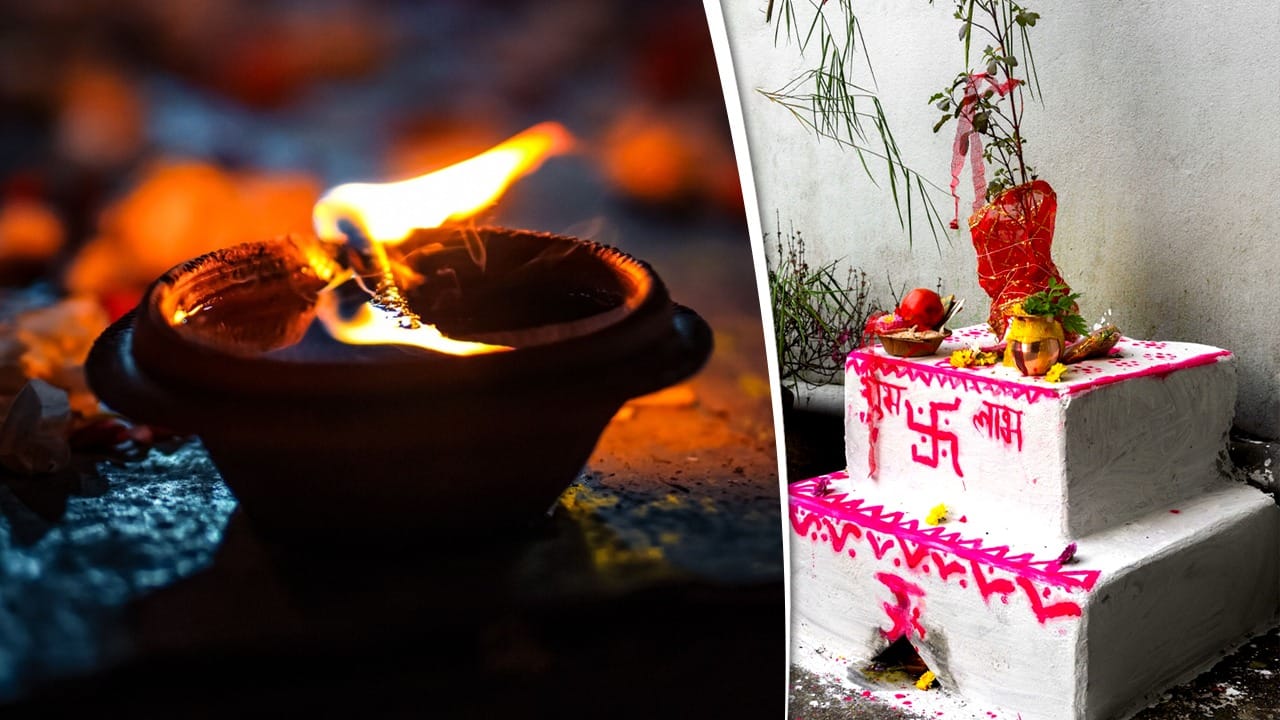
Tik tok, clicks and timelines aside, the core tradition remains rooted in a simple act: lighting a lamp in front of the sacred Tulsi plant. In this story, Hindu beliefs place Tulsi as a vessel for Lakshmi and a beloved companion of Vishnu, with Krishna also sharing a special reverence for the plant. The practice during the Margashirsha month underscores a broader spiritual aim: to invite auspiciousness into the home through ritual cleanliness and devotional focus.
During this auspicious period, households observe not just a ritual, but a sustained devotion that centers Tulsi as an intermediary between the devotee and the divine. The lamp, fueled by desi ghee, is more than a source of light; it is a symbol of purity, prosperity, and spiritual clarity. Devotees believe that its glow infuses the home with positive energy and keeps the atmosphere sanctified.
Source traditions say the act of lighting the lamp in the presence of Tulsi helps Vishnu and Lakshmi’s blessings flow into the family. People recite Vishnu mantras and petition for continued well‑being, harmony, and prosperity within the household. The ritual is commonly observed in the evenings, reinforcing the idea that night-time light can dispel darkness and invite divine benevolence into daily life.
The timing of these rituals is anchored in the calendar. For 2026, Margashirsha (often aligned with Agrahain) spans from November 25 to December 23, according to traditional panchang calculations. Many devotees view this month as especially fruitful for prayer, charitable acts, and Tulsi worship, reflecting a belief that regular rituals during this period yield spiritual merit and domestic blessings.
In practice, families arrange the Tulsi plant in a clean, elevated spot and place a lamp of desi ghii before it as dusk settles. The light is meant to symbolize knowledge, auspicious beginnings, and the removal of negative energies from the home. The act of offering a lamp is seen as an auspicious bridge between the household and the divine, reinforcing gratitude and communal peace.
Scholarly passages and religious narratives reiterate that Vishnu’s worship is considered incomplete without Tulsi. Many believers insist on Tulsi’s presence in their devotion to Vishnu and Krishna, treating the plant as a conduit for divine grace. In this month, devotees intensify their practices with daily prayers, light offerings, and the communal singing of verses dedicated to Lord Vishnu.
Evening lamps near Tulsi are described as more than ceremonial ornaments; they are instruments of spiritual cleansing. Followers say the glow not only wards off negativity but also fosters a tranquil, hopeful mood within the home. The ritual is thus both a devotional act and a practical reminder to nurture harmony among family members and guests alike.
Readers who observe these traditions emphasize the significance of ritual discipline and family unity. The stories and customs surrounding Tulsi Puja during Margashirsha highlight a shared cultural language: light, devotion, and gratitude. Whether one practices daily or seasonally, the practice is presented as a path to sustained peace, prosperity, and inner clarity for all family members.