

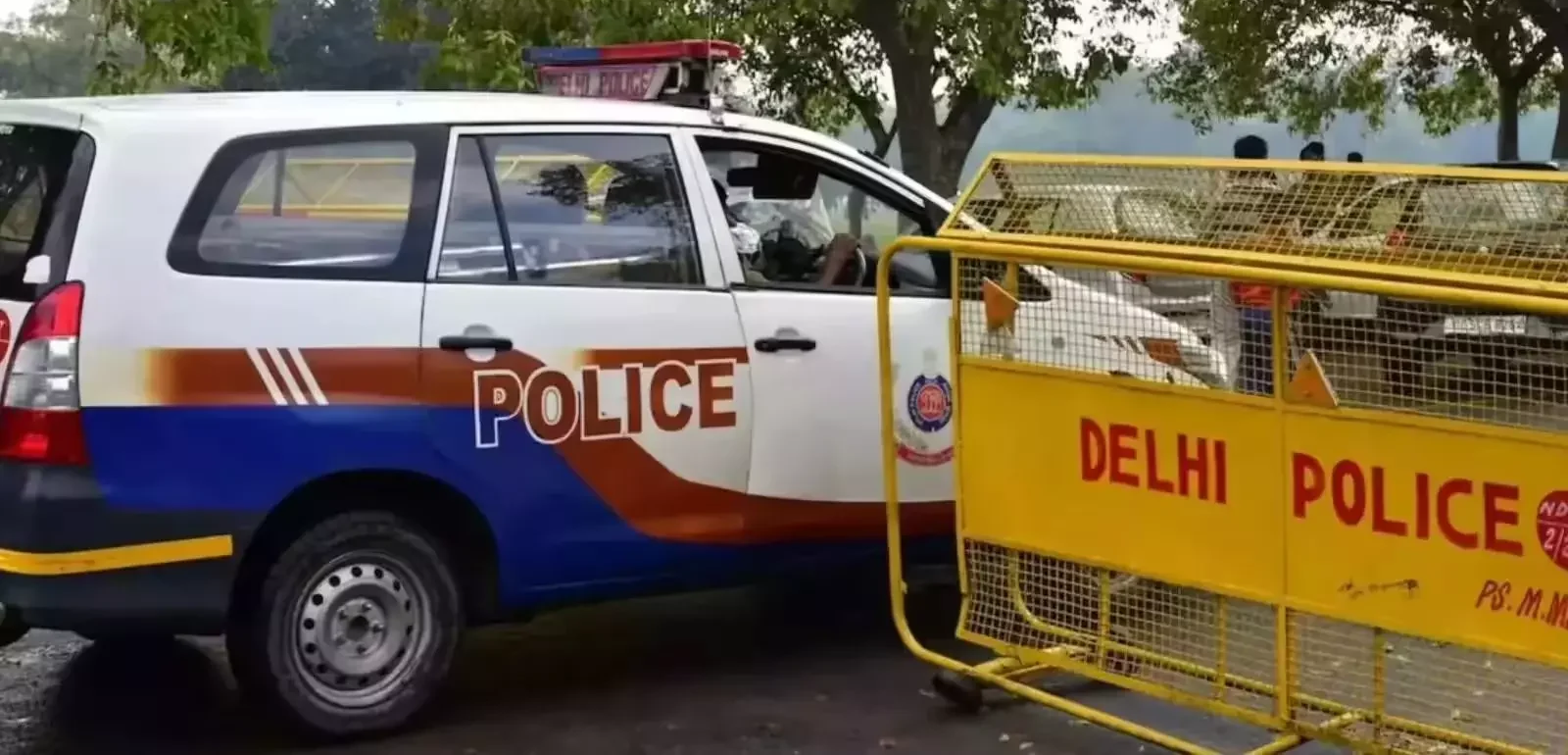
New Delhi witnessed a revealing set of police statements about a ruthless criminal network. Junaid Chaudhary, described as a bold operative from the Gokalpuri area, allegedly leveraged social media to establish contact with the infamous D-Company figure Chhota Shakeel. The cross-links between criminal fronts and online outreach were disclosed during a round of interrogation that rose questions about how deeply the network operated.
The timeline centers on events from 2016, when Junaid first connected with the gang through the internet-based contact, followed by a meeting with a fellow “Chotu” who then sought work. According to the police, this chain of introductions served as the backbone for further interactions with other key figures, including Nasim, who expressed willingness to work for Chhota Shakeel.
According to the interrogation, Junaid supplied Nasim’s phone number to Chhota Shakeel, cementing a contact bridge that would be used for future assignments. Details from the statements provided on June 7, 2017 near Gand S Cinema in Nand Nagri outline how these introductions culminated in concrete planning and the procurement of materials necessary for violent acts.
Investigators say the discussions revealed that Chotu and Nasim were aware of Junaid’s ties to Chhota Shakeel. The conversations reportedly included an order to target Dao Krishan? No, the plan reportedly involved the murder of Dwarka resident Robin Sharma at a later stage. Separate money transfers through hawala channels and Western Union were used to fund the stated operations, with a total of 1.5 lakh rupees wired at various times.
In the money trail described by the accused, 40,000 rupees came via a Western Union transfer tied to the accused’s base ID. An additional 34,000 rupees were given to Nasim and Chotu, while a friend named Rahis contributed 45,000 rupees from which 33,000 rupees were allocated to the two. With this funding, the group purchased four English pistols and sixty cartridges, creating a tangible escalation from planning to potential action.
The investigation also links Robin Sharma to a Hindu nationalist organization, noting that he was associated with a group that faced arrest in 2001 over a religious text desecration case. Chhota Shakeel allegedly sent operatives to murder the organization’s figure, a move that was foiled when a Special Cell unit arrested them in a prior operation. Later, the case expanded to implicate Robin Sharma’s brother and the rest of the network.
Following these events, the Special Cell reportedly intercepted communications that showed Shakeel’s intention to target Robin Sharma himself, and to implicate Junaid and others in further plans. This set of discoveries led to the arrest of Nasim Durani and Chotu in 2017, marking a turning point in uncovering the broader conspiracy that connected social media contact, extortionary finance, and violent action.
As authorities continue to map the operational scope of the gang, the case highlights how digital threads were woven into a web of violence and crime. The police have stressed that the investigation remains active, with several suspects awaiting formal charges and further evidence to establish the network’s complete reach and the precise timeline of each plotted act.