

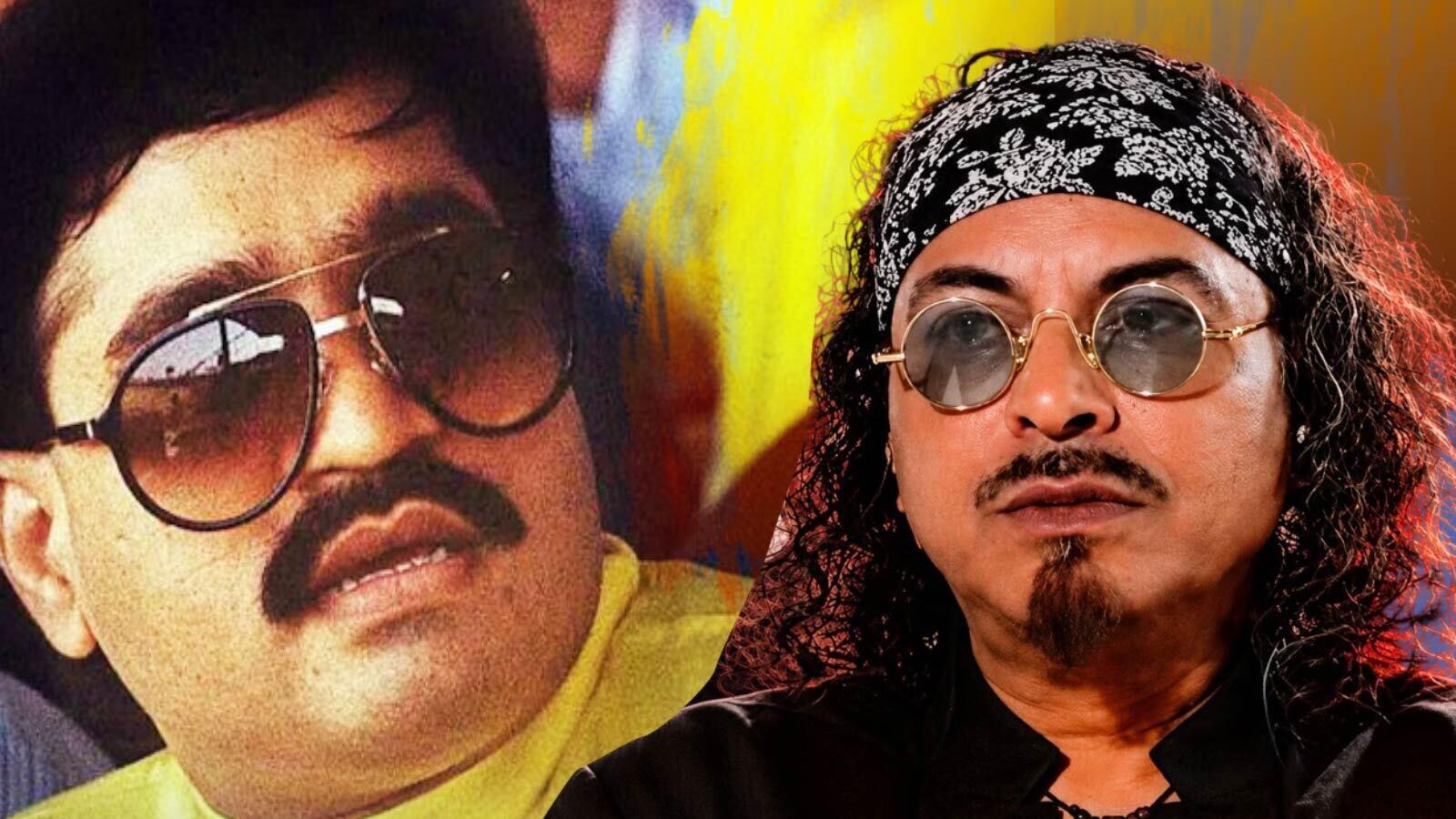
Dawood Ibrahim’s code name and life under watch have been exposed, according to an ex-FBI agent, in a report that highlights how the fugitive operates from Pakistan amidst ongoing tensions between India and Pakistan. The revelations surface as Pakistan’s MUsadirick Malik visits India for participation in the SCO Culture Forum, marking the first senior Pakistani ministerial visit after Operation Sindoor. The timing compounds questions about how Dawood Ibrahim navigates security within Pakistan, particularly in Karachi, where he is said to maintain a discreet existence even as political strains persist between the two nations.
The former FBI agent Kamran Faridi asserts that Dawood Ibrahim left India in 1986 and found shelter in Pakistan, establishing multiple safe houses. Faridi describes each hideout with distinct names and emphasizes that Dawood even has his own codename, used by those who refer to him, rather than his real name. The claims paint a picture of a highly compartmentalized, secretive network that operates with relative impunity.
KARACHI: A hidden life at a quiet venue Faridi claims Dawood Ibrahim frequented a soundless basement club in Karachi, described as a place where he would watch performances and unwind. The venue reportedly carries a code name, referred to as ‘22 Jamjama,’ and Faridi says this is a regular stop for the notorious don, who enjoys the performances there. The assertion underscores how Dawood’s presence is allegedly kept discreet under Pakistani security eyes.
In detailing Dawood’s security arrangement, Faridi states that Dawood’s hideout is located on a Karachi street in a house that outwardly appears ordinary and lacks windows. He adds that Dawood participates in religious gatherings, yet is also noted for his affinity for alcohol and cocaine, reportedly ordering expensive bottles from abroad, including Thailand-origin liquor priced near $1,800 to $1,900 per bottle.
Names used for Dawood in Pakistan The ex-FBI agent explains that in Pakistan Dawood is addressed by several titles; some call him “sahib” or “doctor sahib,” with “doctor sahib” being the most widely recognized codename. Faridi notes that the shifting locations between India and Pakistan are a response to ongoing hostilities, and Dawood tends to avoid public spaces during the day, stepping out mainly at night for his activities.
Security and management of Dawood’s operations Faridi adds that Dawood’s security is largely managed by small-time handler Dawood’s security is overseen by small-time operatives, including a figure referred to as Chota Shakeel. The agent claims Shakeel delivers regular security reports to the ISI headquarters on Fridays, and that Faridi knows about three primary locations Dawood uses for work or residence in Pakistan.
The former FBI agent presents Dawood Ibrahim as living a highly secretive life in Pakistan, even as he is said to attend private parties. He also emphasizes that Dawood’s movement is carefully controlled, with a preference for night-time activity and limited exposure to public spaces. The broader implications of such arrangements point to complex risk management and illicit networks.
What this means for observers While the claims add to longstanding debates about Dawood’s activities and his protection within Pakistan, officials have not publicly confirmed the details. The timing of these disclosures, alongside a high-profile visit by a Pakistani minister, highlights ongoing sensitivity around cross-border tensions and the clandestine nature of criminal networks connected to Dawood Ibrahim.
Key points
- Dawood Ibrahim allegedly operates from Pakistan with multiple hideouts, including a Karachi location described as a quiet house with no windows.
- He is said to have a codename, with “doctor sahib” being the most talked-about in Pakistan.
- Security for Dawood is reportedly overseen by Chota Shakeel, with weekly ISI headquarters briefings cited by the ex-FBI agent.
- The visit of a Pakistani minister to India coincides with these revelations, underscoring a tense, complex security environment.