
Kerala Assembly Elections 2026: Fathima Thahiliya Becomes First Woman MLA, IUML Steps Into New Era
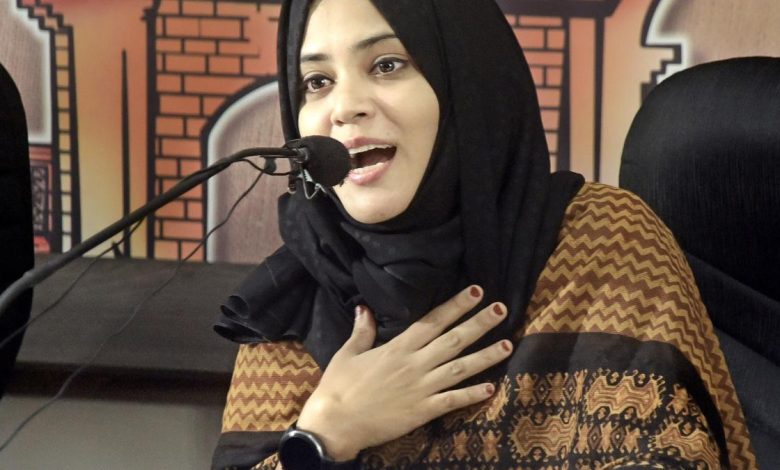
The Indian Union Muslim League (IUML), historically criticized for not nominating women candidates in strong or winnable constituencies, has experienced a significant breakthrough in the 2026 Kerala Assembly elections. Fathima Thahiliya’s landmark victory as the first woman MLA from the party is being hailed as a new chapter for the IUML, reflecting a changing political narrative and growing inclusivity.

For decades, the IUML has faced scrutiny from political commentators and social activists alike for sidelining women in electoral battles. Women candidates, when fielded, were often placed in constituencies considered less winnable, limiting their ability to make an impact and diminishing the party’s appeal among progressive voters. This trend, critics argued, inhibited the IUML from expanding its support base and adapting to evolving societal expectations.
Thahiliya’s victory, therefore, represents more than a personal achievement — it is a symbolic and tangible reversal of long-standing party practices. Her campaign leveraged grassroots support, effective outreach, and a strong focus on local issues, resonating well with a broad spectrum of voters. Analysts observe that this success challenges the old perception that the IUML is resistant to female leadership and indicates a willingness within the party ranks to embrace change.
Political observers assert that Thahiliya’s win may inspire the IUML to field more women candidates in future elections, enhancing gender representation and diversifying its political profile. This development aligns with wider trends in Indian politics, where female leaders are increasingly gaining prominence across party lines.
Speaking after her victory, Thahiliya expressed gratitude to her supporters and pledged to work diligently for her constituency, promising greater transparency and responsiveness to public needs. Party officials have also highlighted this moment as a step toward modernizing their political approach while maintaining core values.
As Kerala prepares for future polls, Thahiliya’s historic win is likely to be analyzed both for its immediate electoral impact and its implications on gender dynamics within regional politics. Stakeholders await to see if this marks a lasting transformation within the IUML or remains an isolated milestone.