

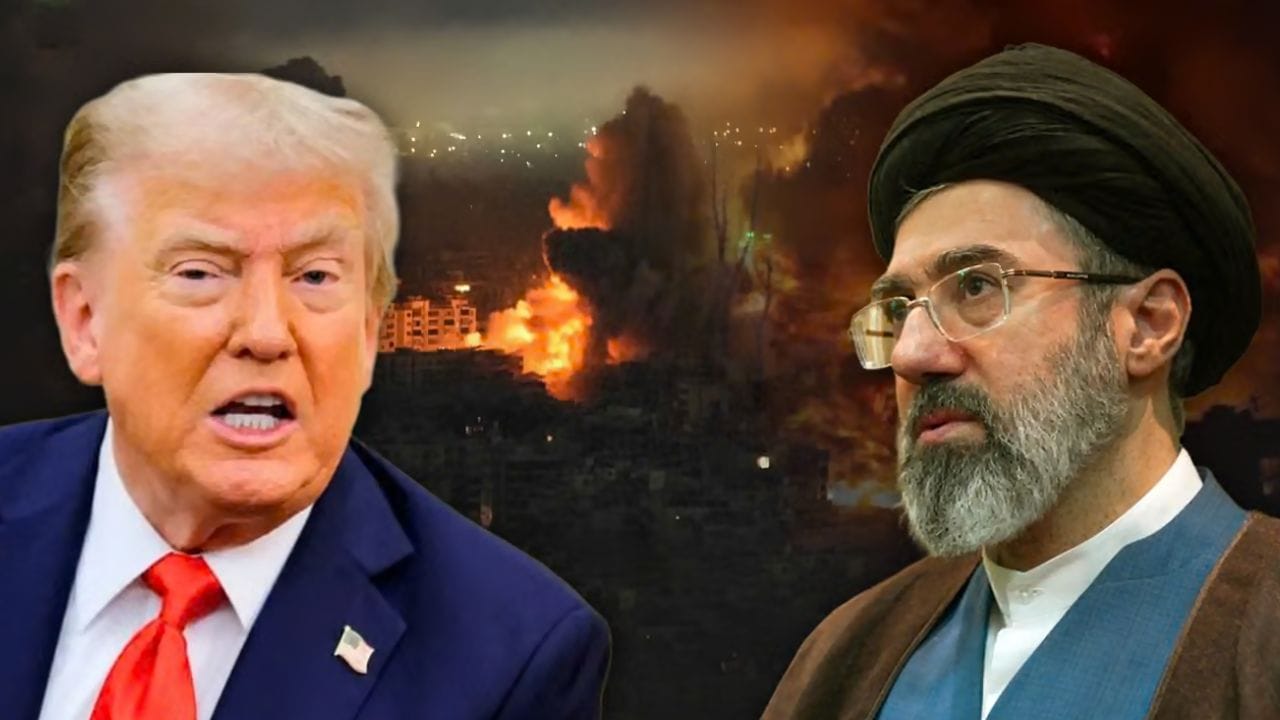
Speculation is mounting over when the next phase of conflict between the US and Iran might ignite. With Israeli elections approaching and the US midterm elections imminent, experts warn that fresh attacks on Iran could happen before or after these key political events. Reports from October 22 hinted at strikes possibly commencing by Tuesday, but claims on October 23 suggest a greater likelihood of action post-midterms. Former President Donald Trump has threatened further aggression, keeping tensions high.
Potential Shift in Regional Dynamics
President Trump has publicly stated that the US might escalate its approach toward Iran. While he refrained from providing a clear timeline, Trump signaled that military measures against Iran are imminent. Experts believe that any renewed conflict could drastically alter power equations across the Arab world, with long-term consequences for regional stability. The situation remains volatile as authorities monitor developments closely.
Reports indicate that this conflict round could consolidate the position of Iranian Supreme Leader Mujtaba, potentially establishing him as a dominant figure among Arab powers. Arab states express deep concern about Iran’s objectives in this conflict, fearing heavy casualties and infrastructure damage. Notably, key US military assets have been removed from Iran’s missile range, limiting targets and pushing Iran to threaten vital infrastructure in Arab countries.
Threats to Arab Infrastructure
Since February 28, US strikes on Iran have provoked retaliatory attacks targeting American military bases. In preparation for a potential new round, the US has begun evacuating bases to avoid easy Iranian retaliation. Consequently, Iran may focus on damaging the critical infrastructure of Arab states, including energy and communications systems, as retaliation options become limited.
Intelligence reports highlight that Iran may target underwater communication cables connecting Arab countries, as well as data centers and artificial intelligence hubs. Oil pipelines and refineries in the Gulf are also vulnerable. Iranian threats extend to Gulf oil fields and wells, with experts warning that any destruction could disable regional energy supply chains for years, severely impacting the economies of these nations.
Iran’s hardline figures have issued stark warnings, pledging to “burn” Gulf countries to ashes if a war begins. Mohsen Rezaei, an Iranian commander, mentioned that the next conflict would threaten Iran’s very existence and that Iranian forces would break all boundaries. Specific targets identified include underwater cables, data centers, and AI facilities, indicating a focus on crippling technology and communication infrastructure.
Iran’s military preparations have also been showcased recently, with Iran’s Islamic Revolutionary Guard Corps releasing footage of drone production lines active around the clock. Arab countries view these developments with alarm and are reportedly considering secret agreements with Iran to avoid escalation, demonstrated by recent diplomatic meetings in Turkey involving several regional and European countries.
Diplomatic Efforts to Avoid War
Foreign ministers from Turkey, Egypt, Pakistan, and Saudi Arabia met in Istanbul alongside counterparts from Britain, France, and Germany. The meeting aimed to prevent military conflict through diplomatic channels, with discussions including a Non-Aggression Pact initially proposed by Qatar at a Gulf Cooperation Council (GCC) summit. This pact seeks to reduce distrust and establish formal security guarantees between Gulf countries and Iran.
Qatar has urged member states of the GCC to sign the pact to ensure regional safety. Though Qatar formally introduced the proposal, sources suggest Saudi Arabia supports it discreetly. Distrust of the US military presence has grown, particularly among Saudi leadership, prompting efforts to build alliances with Gulf and European states. Reports suggest that UAE, Bahrain, Kuwait, and Oman support the pact, viewing it as a method to mitigate risks posed by Iran.
Israeli media reports echo these concerns, suggesting that Gulf nations might be coerced into reaching security agreements with Iran due to waning confidence in the US. Such a deal would strengthen Iran’s regional influence and position Mujtaba as a leading Arab authority, representing a major setback for former President Trump’s agenda.