
World Oceans Day 2026: How Diving Transforms Lives in Andaman’s Karen and Ranchi Communities
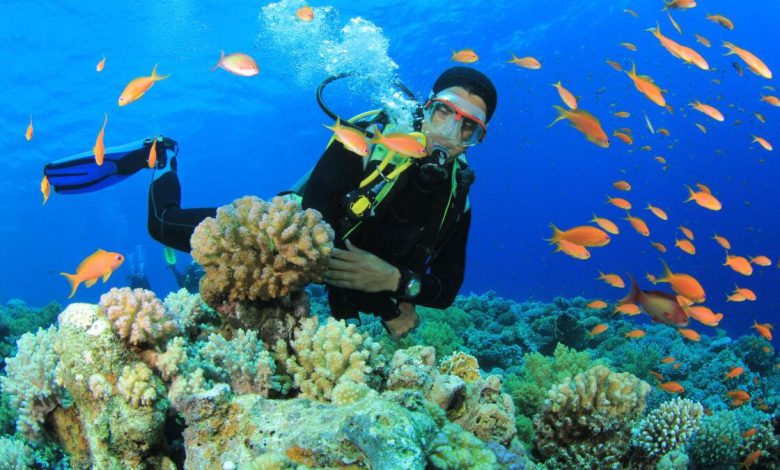
For the Karen and Ranchi communities of the Andaman Islands, the ocean has always been a lifeline — a source of food, identity and tradition passed down through generations. On World Oceans Day 2026, a quieter transformation is worth celebrating: how professional diving is opening new, sustainable livelihoods for the islands’ indigenous youth.

From subsistence fishing to skilled careers
Once limited to subsistence fishing and traditional roles, the community’s relationship with the sea is expanding. Professional diving has emerged as a genuine career path, spanning marine conservation, underwater tourism and scientific research. The shift turns deep local knowledge of the ocean into formal, certified skills.
How the change became possible
Training programmes backed by local NGOs and government initiatives have been central, equipping young people with modern diving skills and internationally recognised certifications. These credentials are the bridge between traditional ocean knowledge and the formal “blue economy.”
Why diving is transformative
- Stable income: Tourism and research roles offer more reliable earnings than subsistence fishing alone.
- Conservation: Trained divers can support reef monitoring and marine protection.
- Pride and continuity: Young people build futures rooted in their own heritage and waters.
A model of sustainable development
This story reflects a wider idea: that protecting the ocean and improving livelihoods can go hand in hand. When communities have a direct economic stake in healthy seas, conservation becomes self-reinforcing rather than a burden — exactly the spirit of World Oceans Day.
Why it matters
Empowering indigenous youth with marine skills strengthens both local economies and ocean stewardship — a small but powerful example of development that respects culture and environment together.
Frequently Asked Questions
What new opportunities has diving created?
Roles in marine conservation, underwater tourism and scientific research, beyond traditional fishing.
How did community members gain these skills?
Through training and certification programmes supported by local NGOs and government initiatives.
A community feature by the DW24 News desk, marking World Oceans Day.