

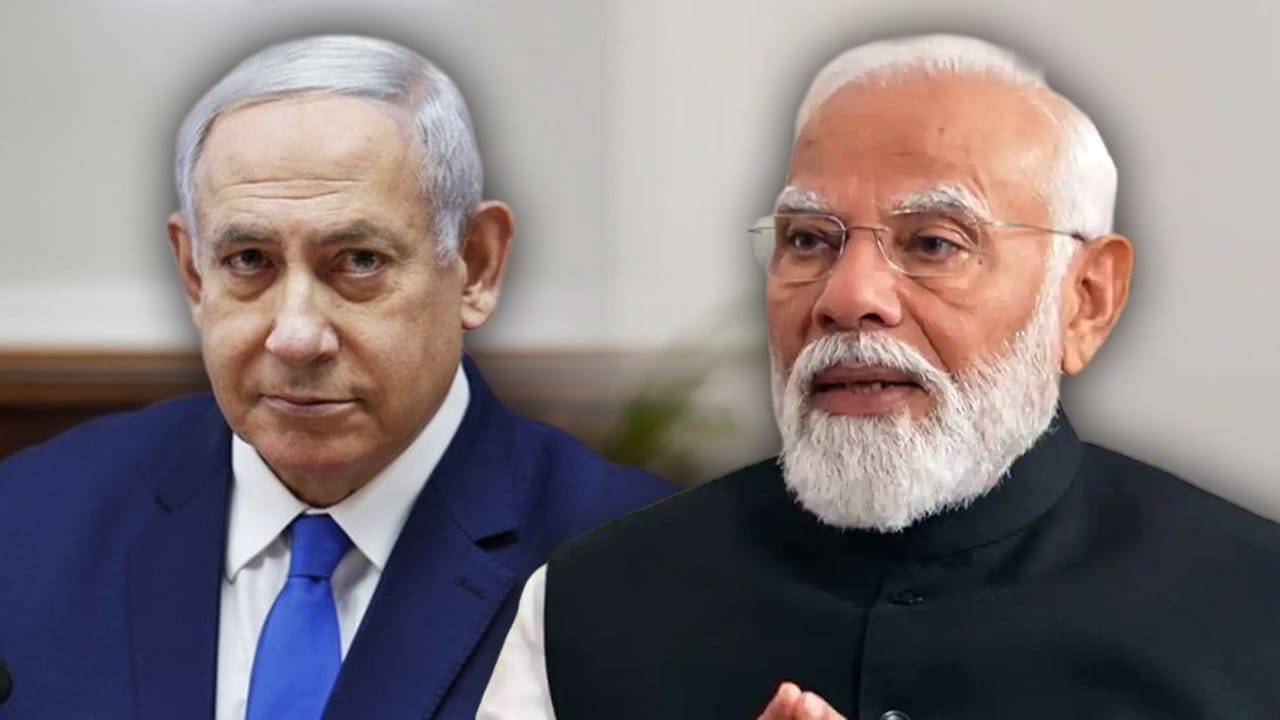
Israeli Prime Minister Benjamin Netanyahu recently spoke with Indian Prime Minister Narendra Modi, extending a formal invitation to Modi to light the ceremonial torch at Israel’s Independence Day celebrations. The invitation marks a significant moment highlighting the close ties between the two nations.
Netanyahu shared details of this conversation in a post on X, formerly Twitter, emphasizing the strong friendship between Israel and India. He revealed that alongside Modi, a brave Indian pilot named Captain Smit Machhar would also participate in the torch lighting event, symbolizing the deepening collaboration between both countries.
Invitation and Shared Commitments
In his X post, Netanyahu described speaking with his friend, Prime Minister Modi, and inviting him to jointly light the torch during Israel’s Independence Day. Modi expressed his gratitude for the invitation and acknowledged the solid partnership between the two nations.
“I spoke with my friend, India’s Prime Minister Narendra Modi, and invited him to light the torch at Israel’s Independence Day alongside a valiant Indian pilot,” Netanyahu said. Modi responded by thanking him and reaffirming their joint fight against terrorism both on ground and in the air.
Strengthening India-Israel Relations
The discussion also highlighted how India and Israel collaborate closely on matters of security and counterterrorism. Modi praised the longstanding and robust relationship forged between the two countries, reflecting mutual respect and a shared commitment to regional stability.
Modi further reiterated his commitment to deepen cooperation with Israel. On X, he mentioned the phone call with Netanyahu where they reviewed ongoing progress in their bilateral relationship and committed to strengthening their partnership even further.
“We discussed recent developments in West Asia and emphasized the urgent need to restore peace and stability in the region,” Modi posted, underscoring the broader geopolitical concerns both leaders share beyond their bilateral ties.
This dialogue between the leaders exemplifies a strategic and diplomatic rapport aimed at consolidating peace and collaboration amid complex international challenges. The inclusion of Captain Smit Machhar in the Independence Day ceremony symbolizes this evolving partnership, blending ceremonial goodwill with shared security interests.