

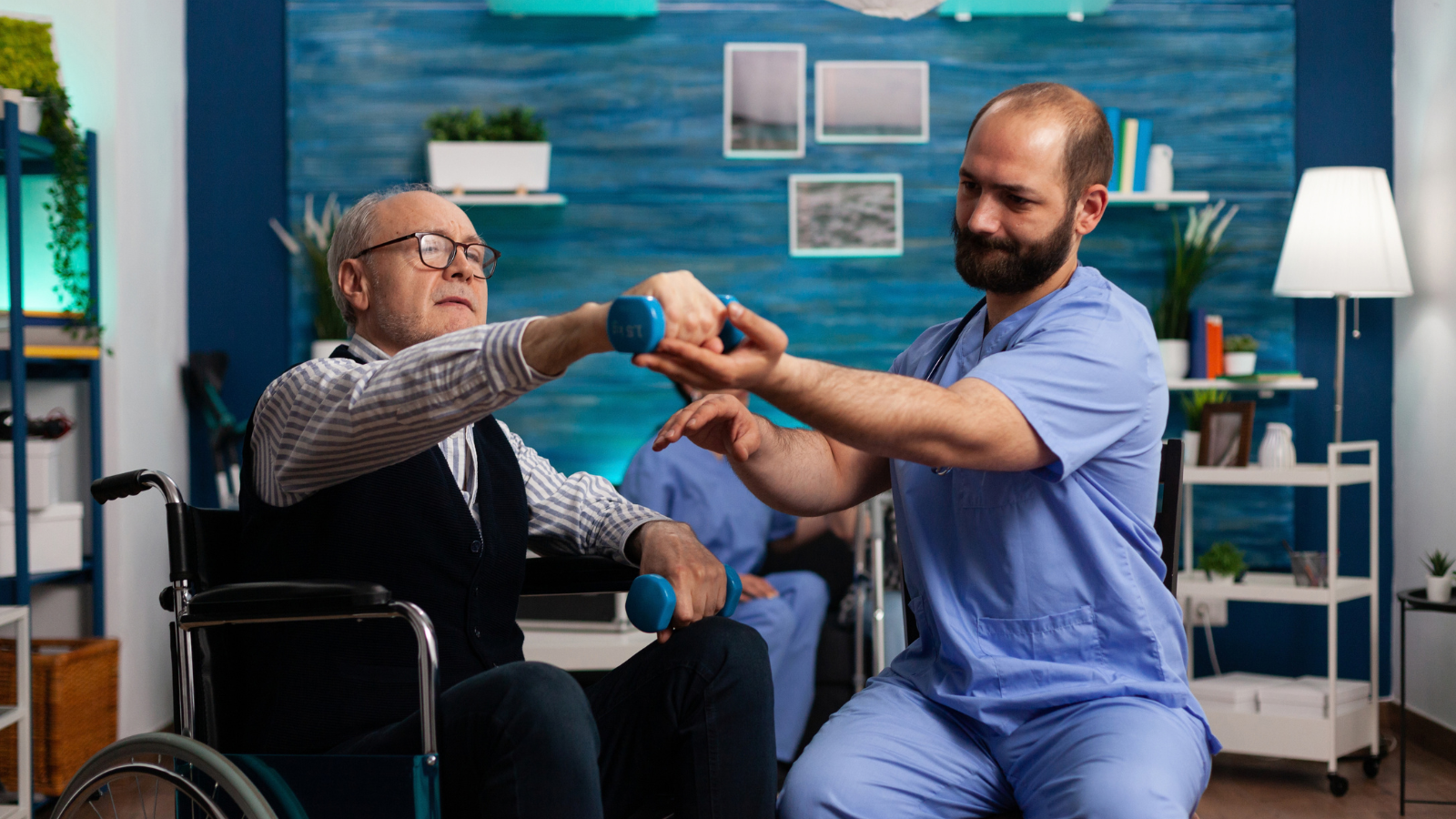
Stroke affects more than just the brain; it can significantly impair body movement, muscle strength, balance, and the ability to perform daily activities. Patients may find it difficult to walk, stand up, sit down, or control their limbs. In such cases, physiotherapy plays a crucial role in stroke rehabilitation. Its goal is not just muscle strengthening but also helping patients relearn safe movements and regain independence in their everyday life.
Why Does Stroke Affect Movement and Balance?
A stroke occurs when blood flow to a part of the brain is blocked or when bleeding happens within the brain. The affected brain area often controls coordination, sensation, and movement of different body parts. As a result, one side of the body can become weak (hemiparesis), or in severe cases, paralysis may occur.
According to guidelines from NICE, stroke survivors may experience stiffness, reduced sensation, coordination issues, and problems controlling posture. All these factors can disrupt balance and walking. The movement difficulties after stroke stem from changes in both motor and sensory systems, affecting posture control and stability.
For instance, if the brain area responsible for foot movement is damaged, the patient may not put proper weight on that leg. This can alter walking patterns and increase fall risk. Therefore, stroke rehabilitation focuses on improving muscle strength, sensitivity, balance, coordination, and functional movement.
Role of Physiotherapy in Recovery
Physiotherapy after stroke primarily involves repeated practice and task-specific training. When patients repeatedly attempt a movement correctly, it helps the brain relearn and reorganize those movements through a process known as neuroplasticity.
However, physiotherapy does not directly repair the damaged brain tissue. The American Heart Association explains that recovery combines brain remodeling with compensatory strategies employed by the body. Physiotherapists tailor exercises like sit-to-stand, reaching, stepping, weight shifting, and walking practice to each patient’s abilities.
Strength training can also be useful for muscle weakness after stroke. This may include bodyweight exercises, repetitions, or resistance training. NICE recommends considering strength training where muscle weakness is present.
When to begin physiotherapy depends on the patient’s medical stability, stroke type, brain injury severity, blood pressure, and other health factors. Although rehabilitation should not be unnecessarily delayed, starting intense mobilization too soon after stroke onset is not advised. NICE recommends helping patients sit, stand, or walk as soon as their clinical condition allows but avoiding high-intensity mobilization within the first 24 hours.
Walking and balance problems after stroke often involve weakness, delayed foot lifting, balance issues, and uneven weight distribution. Physiotherapy identifies and addresses these issues according to patient needs. Walking rehabilitation may include gait training, repetitive walking exercises, weight shifting, and sit-to-stand movements. Assistive devices like walkers, canes, or ankle-foot orthoses may be used as needed.
Each patient’s physiotherapy approach differs. It is important to start rehabilitation under medical supervision and guidance of trained physiotherapists rather than performing unsupervised exercises immediately after a stroke. Appropriately timed, personalized rehabilitation aims not just to teach walking but also to help patients regain a safer, more functional, and independent life.