

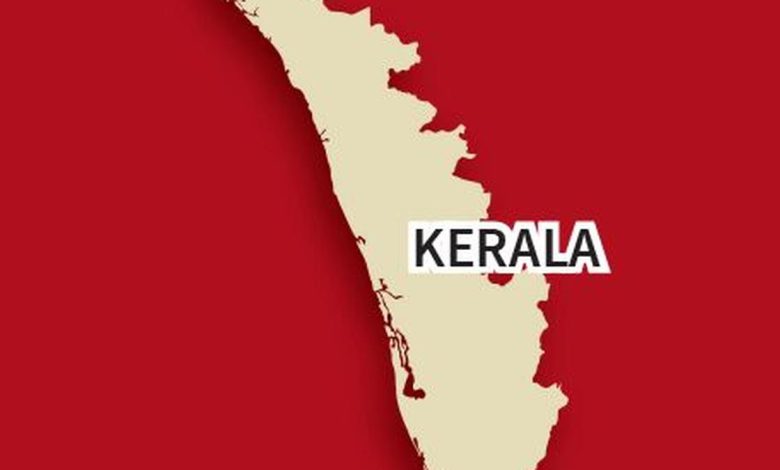
Kerala’s Public Healthcare Model Faces Significant Challenges Amid Rising Demand

Kerala, often hailed for its robust public healthcare system, is currently grappling with unprecedented pressure on its health facilities. The state’s acclaimed model, which has been a benchmark for accessible and affordable healthcare across India, is now under tremendous stress due to rising patient loads, resource constraints, and emerging health crises.
Experts attribute the strain to several factors including population growth, an aging demographic, and an increase in chronic diseases. In addition, recent global health emergencies have exposed vulnerabilities in the infrastructure and readiness of the system. Health officials indicate that while Kerala has made commendable strides in maintaining high health indicators, the existing facilities are nearing their operational limits.
Healthcare professionals in Kerala report overcrowded hospitals, longer wait times, and shortages of medical staff and essential equipment. Public health centers, which serve as the backbone of rural healthcare, are facing chronic understaffing, impacting their capacity to provide timely care. Despite government efforts to upgrade and expand facilities, the pace has not matched growing demand.
According to Dr. Suresh Kumar, a senior healthcare analyst, “Kerala’s model has been effective due to its emphasis on primary care and community participation, but the system is now stretched thin. Without significant investments in infrastructure, technology, and human resources, it will be difficult to sustain the quality of care.”
The state government has recognized these challenges and announced plans to strengthen health facilities, including expanding hospital capacity, increasing recruitment of healthcare workers, and enhancing supply chain management for medicines and equipment. There is also a focus on integrating digital health solutions to improve service delivery and patient monitoring.
Civil society and healthcare advocacy groups emphasize the importance of a holistic approach that includes preventive health measures, health education, and increased funding. They argue that the success of Kerala’s healthcare model depends on continuous improvement and adaptation to evolving healthcare needs.
With rising healthcare demands and emerging health threats, Kerala’s public healthcare system stands at a crossroads. Strengthening existing facilities and adopting innovative strategies will be crucial in securing the future health and well-being of its residents.