

Study Finds Infections and Fractures Increasingly Lead to Repeat Hip Replacement Surgeries
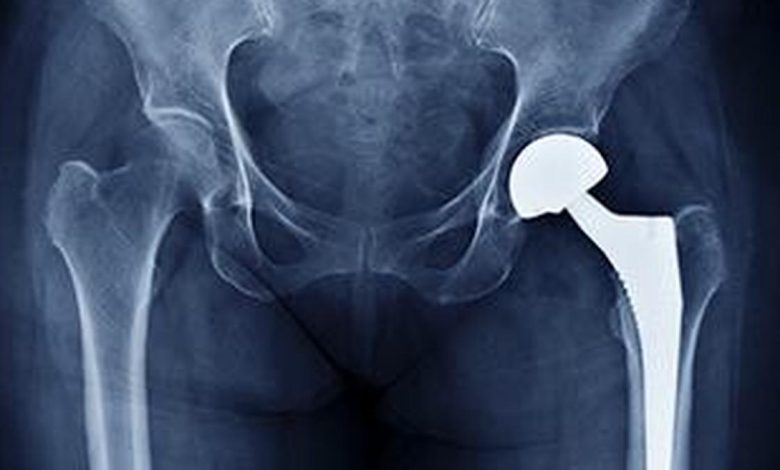
In recent years, the number of young patients undergoing hip replacement surgeries has significantly risen, reflecting the demands of their active lifestyles. However, a concerning trend has emerged with infections and fractures becoming primary reasons for patients requiring repeat hip replacement procedures, according to a new study.

The study highlights that younger individuals, particularly those leading physically intense lives, face a higher risk of complications following their initial hip replacement surgery. These complications often necessitate additional surgical interventions to maintain mobility and reduce pain.
Experts point out that infections post-surgery, although relatively rare, remain a critical challenge. They not only affect the healing process but also have long-term implications on the success of the implant. Fractures around the implant, typically caused by accidents or stress over time, further contribute to the need for revision surgeries.
“Our data indicates a steady increase in cases where infections and fractures are the main drivers behind repeat hip replacements,” said Dr. Jane Collins, an orthopedic surgeon and one of the study’s lead researchers. “This trend underscores the importance of careful patient monitoring and preventive measures, especially in younger populations.
Moreover, the research stresses that lifestyle factors such as high-impact sports, occupational hazards, and other physical activities may accelerate wear and tear on the prosthetic hip. This increases the likelihood of complications requiring surgical correction.
Healthcare providers are encouraged to adopt a comprehensive approach that includes patient education on post-operative care, regular follow-ups, and early intervention when symptoms arise. Such proactive strategies can help minimize the incidence of infections and fractures, thereby reducing the need for repeat surgeries.
The study ultimately serves as a call to action for both medical professionals and patients to recognize the unique challenges faced by younger individuals undergoing hip replacement. Ensuring optimal outcomes demands not only advancements in surgical techniques but also a tailored approach to long-term care and lifestyle management.
As hip replacement surgeries continue to be a common solution for joint pain and mobility issues, this research brings valuable insights into improving patient safety and surgical success rates. Future studies are anticipated to explore innovative materials and surgical protocols aimed at reducing complications and enhancing the durability of hip implants.