

Exploring the Relationship Between Adaptability and Species Success in Elvira Rat and Cutch Rock Rat
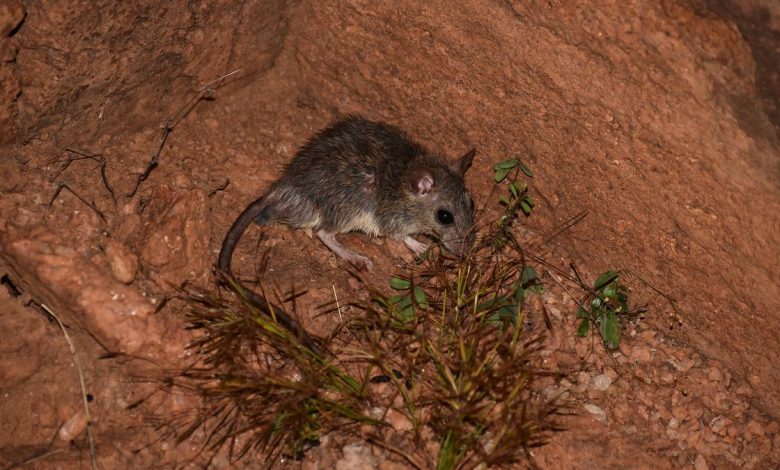
R. Brawin Kumar, a noted wildlife biologist, recently emphasized the ecological importance of rock rats in India’s rocky terrains. According to Kumar, rock rats serve as a primary food source for predators like the Bengal fox, highlighting their integral role in maintaining biodiversity in these landscapes.

“The presence and protection of these rock rats are vital to sustaining the local rocky ecosystems,” Kumar said in an exclusive interview. He further elaborated that these rodents contribute significantly to the food web, supporting a variety of carnivores and scavengers.
Rock rats, including species such as the Elvira rat and the Cutch rock rat, adapt remarkably to their harsh habitats, surviving on sparse vegetation and rugged terrain. This adaptability not only helps them thrive but also ensures a stable prey base for predatory animals. Often overlooked, these small mammals act as key ecological players whose survival directly influences the broader health of their environments.
Conservationists stress that habitat degradation and human interference pose ongoing threats to these species. Kumar called for increased attention to rocky ecosystem preservation to maintain the balance between prey and predator species. Protecting rock rats means preserving the larger animal communities that depend on them.
In light of these insights, environmentalists advocate for sustainable management practices that protect both the landscape and its inhabitants. As conversations around wildlife conservation evolve, the crucial role of species like the Elvira rat and the Cutch rock rat becomes increasingly evident, urging policymakers to consider all links within ecological networks.