
Early detection of retinoblastoma, a rare but potentially life-threatening eye cancer in children, remains critical in improving treatment outcomes. This cancer can often be identified at an early stage by a noticeable white glow in the pupil, sometimes visible in photographs or under certain lighting conditions. Healthcare experts emphasize that increasing awareness among parents and healthcare providers, along with routine eye screenings and streamlined referral processes, can significantly strengthen childhood eye healthcare and save young lives.

Retinoblastoma primarily affects children under the age of five and arises from the retina, the light-sensitive layer at the back of the eye. When identified early, the chances of successful treatment without loss of vision or life increase markedly. However, delayed diagnosis often results from a lack of awareness or limited access to specialized eye care, hindering timely intervention.
Importance of Awareness and Screening
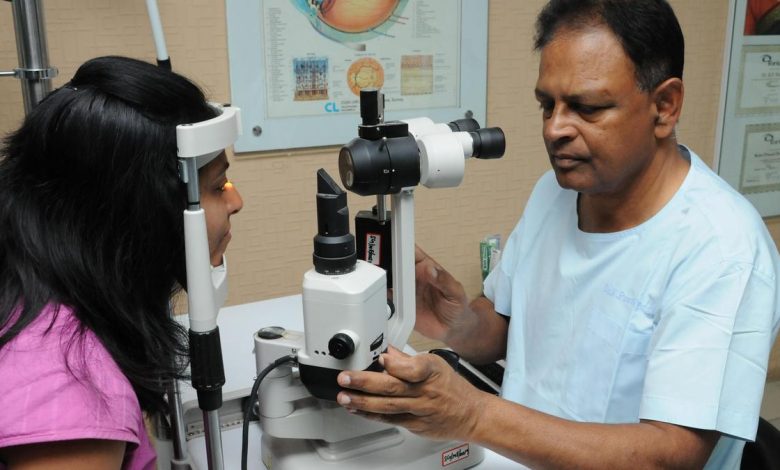
Raising public awareness about the early signs of retinoblastoma is crucial. Many parents and even healthcare workers may not immediately recognize the significance of a white reflection in a child’s eye, sometimes described as a “cat’s eye” reflex. Introducing routine eye checks during pediatric visits can facilitate early detection, especially in communities with limited access to ophthalmologists.
Experts advocate for educating primary care providers to identify suspicious symptoms and to promptly refer children to specialists. Routine screening programs, particularly in underserved areas, can bridge the gap between early warning signs and expert diagnosis, improving prognosis significantly.
Streamlined Referral and Treatment Pathways
Coordinated referral systems are integral in ensuring timely care. Once a potential case is identified by primary care providers or screening programs, swift action is necessary to connect the child with appropriate eye care specialists. Integrating such referral pathways within healthcare systems reduces delays and increases survival rates.
Moreover, collaborative efforts between pediatricians, ophthalmologists, oncologists, and community health workers help create a comprehensive support network for affected children and their families. This multidisciplinary approach ensures that children receive prompt diagnosis, treatment, and follow-up care tailored to their needs.
Looking Ahead
Efforts to strengthen early childhood eye healthcare require investment in education, infrastructure, and policy support. Health ministries and organizations worldwide are urged to prioritize childhood eye health by implementing awareness campaigns, equipping primary care providers, and improving access to screening and specialized care.
By focusing on these strategies, it is possible to reduce the burden of retinoblastoma, enhance survival rates, and preserve vision among children globally. Early detection remains the cornerstone in the fight against this rare but devastating childhood cancer.