

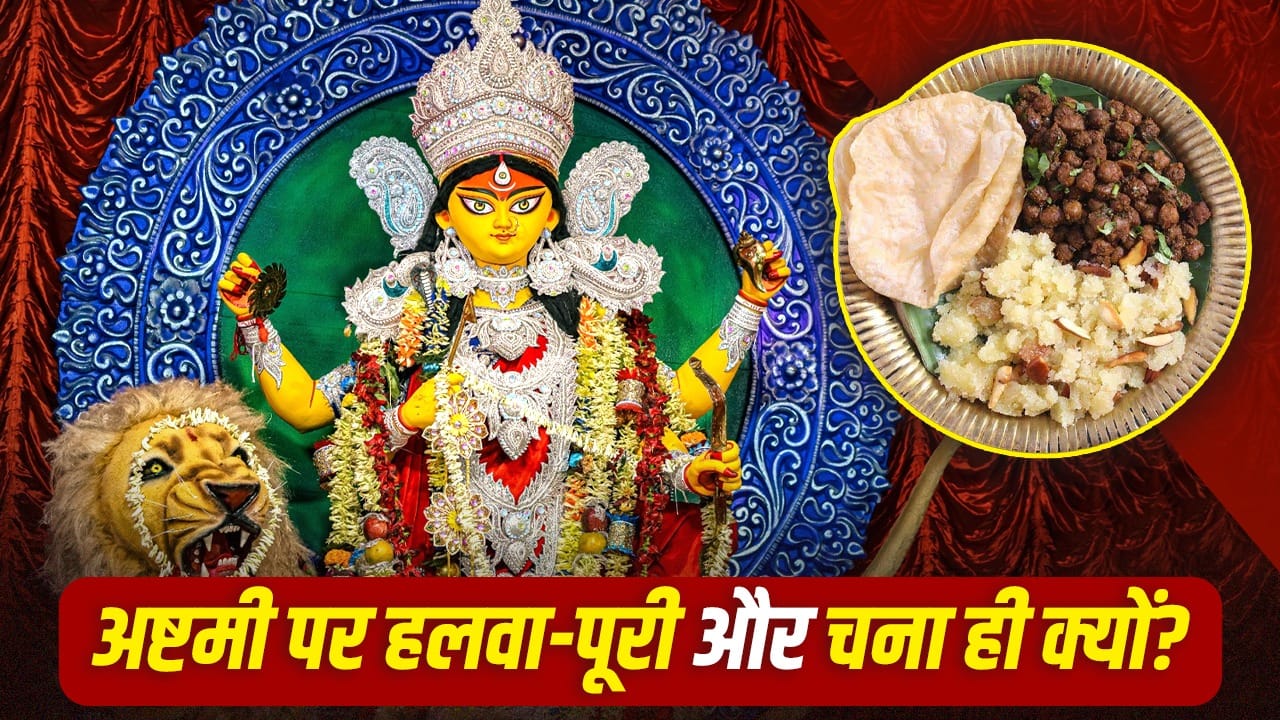
Navratri 2026 celebrations began on October 11, marking the start of the sacred Sharadiya Navratri observed during the bright half of Ashwin month. Among the nine days of festivities, Durga Ashtami, the eighth day, holds special religious importance. On this day, devotees offer a special meal – halwa, puri, and black chickpeas – to Goddess Durga. This offering signifies the end of the nine-day fast and is considered highly auspicious.
Religious Significance of the Offering
The meal of puri, halwa, and black chickpeas holds deep spiritual value on Durga Ashtami. After nine days of strict fruit-based fasting, this cooked food is prepared and first offered to the goddess as prasadam. This sattvic or pure food is believed to be very dear to Goddess Durga. Devotees believe that presenting this special meal pleases the goddess and brings blessings of peace and prosperity into their homes. The fast concludes only after consuming this sacred offering, which instills positivity and fulfills the spiritual benefits of the festival.
The delicacies are prepared with devotion and love, using pure ghee in the halwa and freshly fried puris. The combination honors tradition and reflects the purity central to Navratri rituals. This ancient custom strengthens faith and keeps the cultural heritage alive among millions of followers.
Scientific and Health Benefits Behind the Tradition
Alongside religious beliefs, there is a scientific rationale for offering and consuming halwa, puri, and black chickpeas after fasting. Continuous fasting for nine days significantly depletes energy reserves. Black chickpeas are rich in protein and fiber, which help rapidly restore strength and vitality. The semolina-based halwa is light, easily digestible, and gentle on the stomach, providing essential nourishment without burdening the digestive system.
This balanced meal provides key nutrients needed to replenish the body efficiently after prolonged fasting. It is recommended as an ideal first cooked meal post-fast, supporting both spiritual and physical well-being. The tradition perfectly blends faith with health considerations, demonstrating wisdom in ancient practices.
Devotees underline the importance of preparing the meal carefully with fresh ingredients. The warmth and homely flavors of the hot puris, sweet halwa, and spiced chickpeas bring comfort and fulfillment during the festival’s culmination.
In sum, the offering to Goddess Durga on Ashtami symbolizes the conclusion of devotion and discipline maintained throughout Navratri. It honors the goddess’s preferences and fosters health and positivity among worshippers, reinforcing the bond between ritual and well-being.
As the festival draws to a close, devotees relish this special prasad, celebrating the goddess’s blessings. This time-honored custom enriches Navratri’s spiritual ambiance and reminds all of the significance behind every ritual offered to the divine.

