

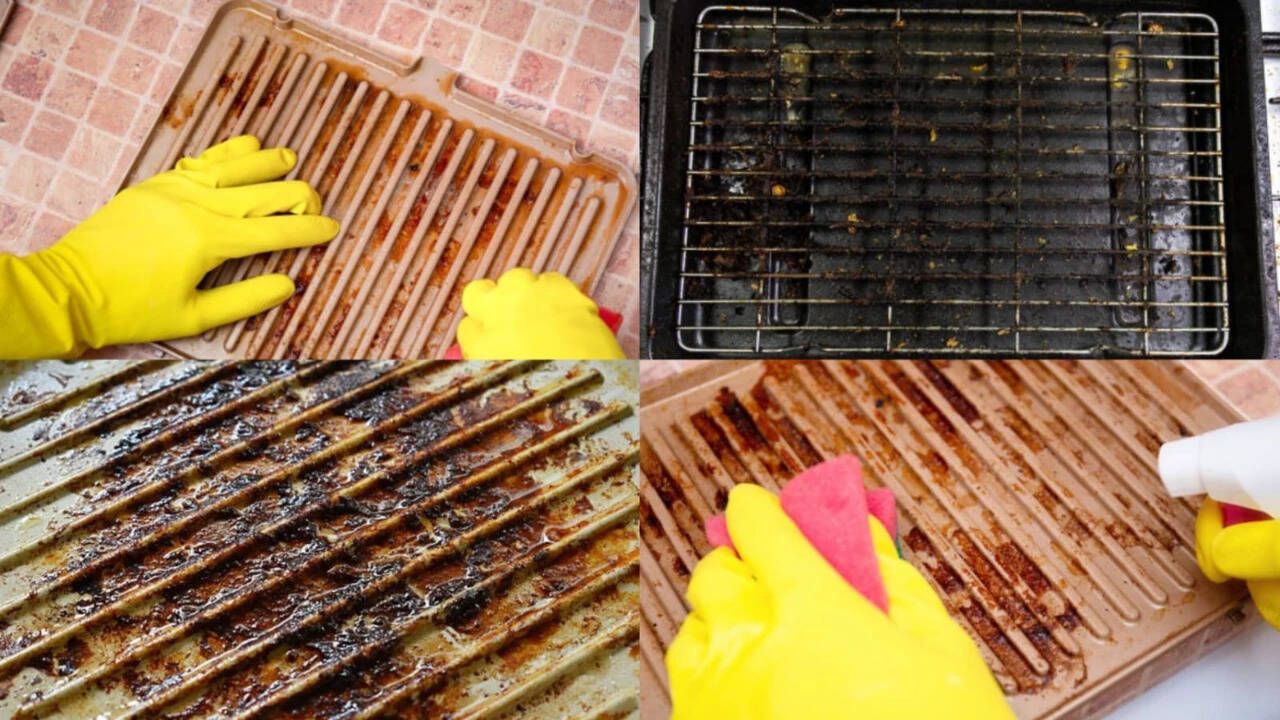
Removing grease and grime from your oven grill plate does not have to involve harsh chemicals. Steam cleaning offers a gentle and effective method to soften baked-on grease and burnt bits for easy removal. Follow this five-step guide to clean your oven grill plate safely at home.
Let the oven cool and remove the plate
Always ensure safety first by turning off the oven, unplugging it if possible, and waiting for it to cool completely. A warm grill plate can cause burns. Once cooled, carefully slide out the grill plate and any racks. Place old newspaper or a towel on your counter or in the sink to avoid mess. Use a wooden spatula or soft brush to scrape off loose food bits, allowing steam to better tackle the stubborn grease underneath.
Prepare the steaming solution
Fill a large oven-safe bowl or tray with about two cups of water. Add two tablespoons of white vinegar or the juice of one lemon to cut through grease and add a fresh scent. For tougher spots, prepare a baking soda paste separately. You may also add lemon slices for fragrance. Ensure your bowl is heat-resistant and not too full to prevent spills.
Steam the grill plate
Place the grill plate back on a rack inside the oven, positioning the bowl of steaming solution on a lower rack nearby. Heat the oven to approximately 120 to 150 degrees Celsius and let the water simmer for 20 to 30 minutes. The rising steam will soften the grease and burn marks. Keep the oven door closed and after turning it off, wait 15 minutes before opening to avoid steam burns.
Wipe and scrub gently
When cool enough to handle, wear gloves and wipe the grill plate with a soft sponge or cloth dipped in warm, soapy water. The grime should come off easily. For stubborn patches, apply a baking soda and water paste, leave for ten minutes, then scrub gently with a non-scratch pad or soft brush. Avoid steel wool or metal scrapers as they can damage the plate’s coating. You can also wipe the oven’s interior with the same cloth.
Rinse, dry and keep it clean
Rinse the grill plate thoroughly with clean water to remove all vinegar, soap, or baking soda residue. Dry completely using a clean cloth to prevent rust or sticky spots. To maintain cleanliness, wipe the plate after every few uses while still slightly warm and line trays with foil or baking paper when cooking greasy foods. Regular light cleaning prevents tough build-ups.
Disclaimer:
This guide is for general household information. Cleaning results may vary based on your oven type, grill plate material, and grease build-up. Always follow the manufacturer’s instructions and allow the appliance to cool fully before cleaning. Handle hot steam, water, and cleaning agents carefully, wear gloves, keep children and pets away, and ensure good ventilation. Do not use this method on plates with damaged coatings.